📌 Packing Blueprint: Salkantay Two-Pack System
- Two-Pack System: 25-30L daypack carried by you (max 4-5 kg) + duffel bag transported by pack horses (max 5 kg).
- Three-Layer Principle: Moisture-wicking base layer + insulating fleece/down mid-layer + waterproof breathable hardshell outer layer.
- Footwear Standard: Supportive, broken-in trekking boots or rugged trail running shoes with aggressive rubber outsoles.
- Trekking Poles: Telescoping aluminum or carbon fiber poles with rubber protective tips (metal tips prohibited at Machu Picchu).
- Sub-Zero Night Survival: Down sleeping bag rated to -10°C (14°F) and dedicated dry thermal sleepwear.
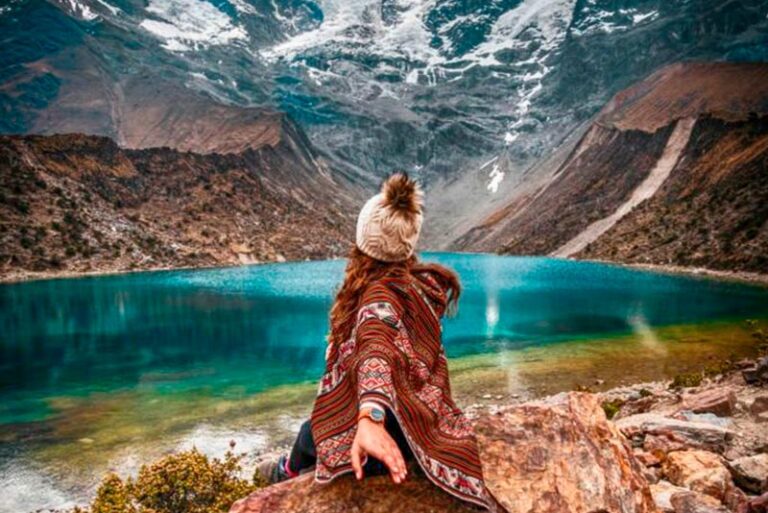
Packing for the Salkantay Trek requires preparing for two opposing climatic extremes within 48 hours: freezing sub-zero alpine conditions at Soraypampa (3,900 m) and the 4,630 m pass, followed by warm, humid high jungle at Chaullay (2,900 m) where temperatures reach 26°C (79°F). Mastering the two-pack system and three-layer apparel architecture ensures physical comfort throughout the expedition.
The Two-Pack Dynamic and How It Works on Trail
During the trek, your luggage is divided into two distinct components:
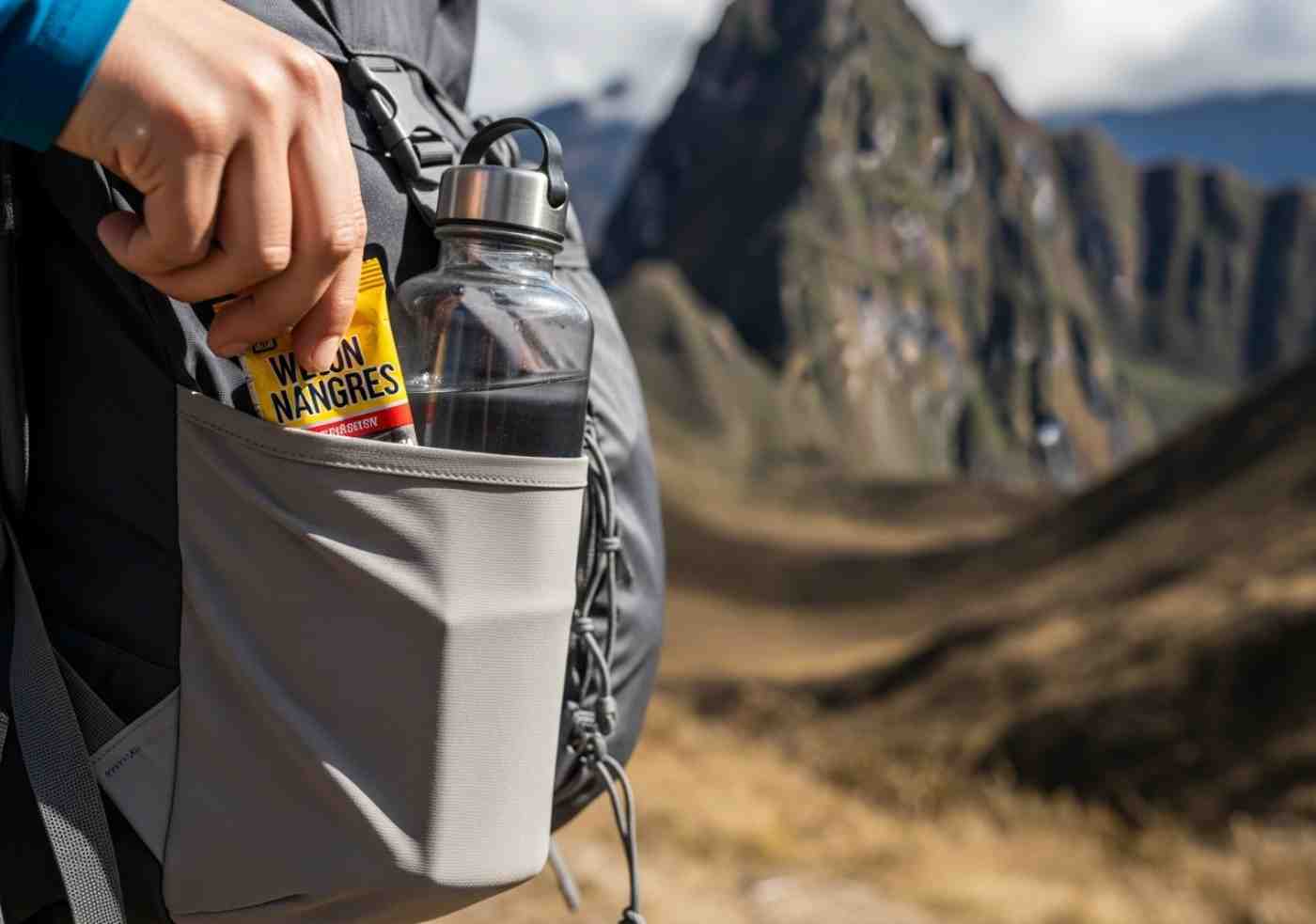
Your Daypack (25 to 30 Liters): This stays on your back from morning to evening. Keep its loaded weight strictly under 5 kg (11 lbs). It holds items needed while walking: 2 liters of water, rain jacket, fleece layer, sun hat, sunglasses, sunscreen, insect repellent, personal blister kit, phone/camera, and original physical passport.
Your Horse Duffel Bag (Provided by Operator, Max 5 kg / 11 lbs): Delivered to you at your pre-trek briefing, this duffel holds your sleeping bag, evening campsite clothes, spare trekking shirts, personal toiletries, and sandals. Pack horses transport this bag between camps, so you will not have access to it until reaching camp each afternoon.
The Three-Layer System for High Mountain Efficiency
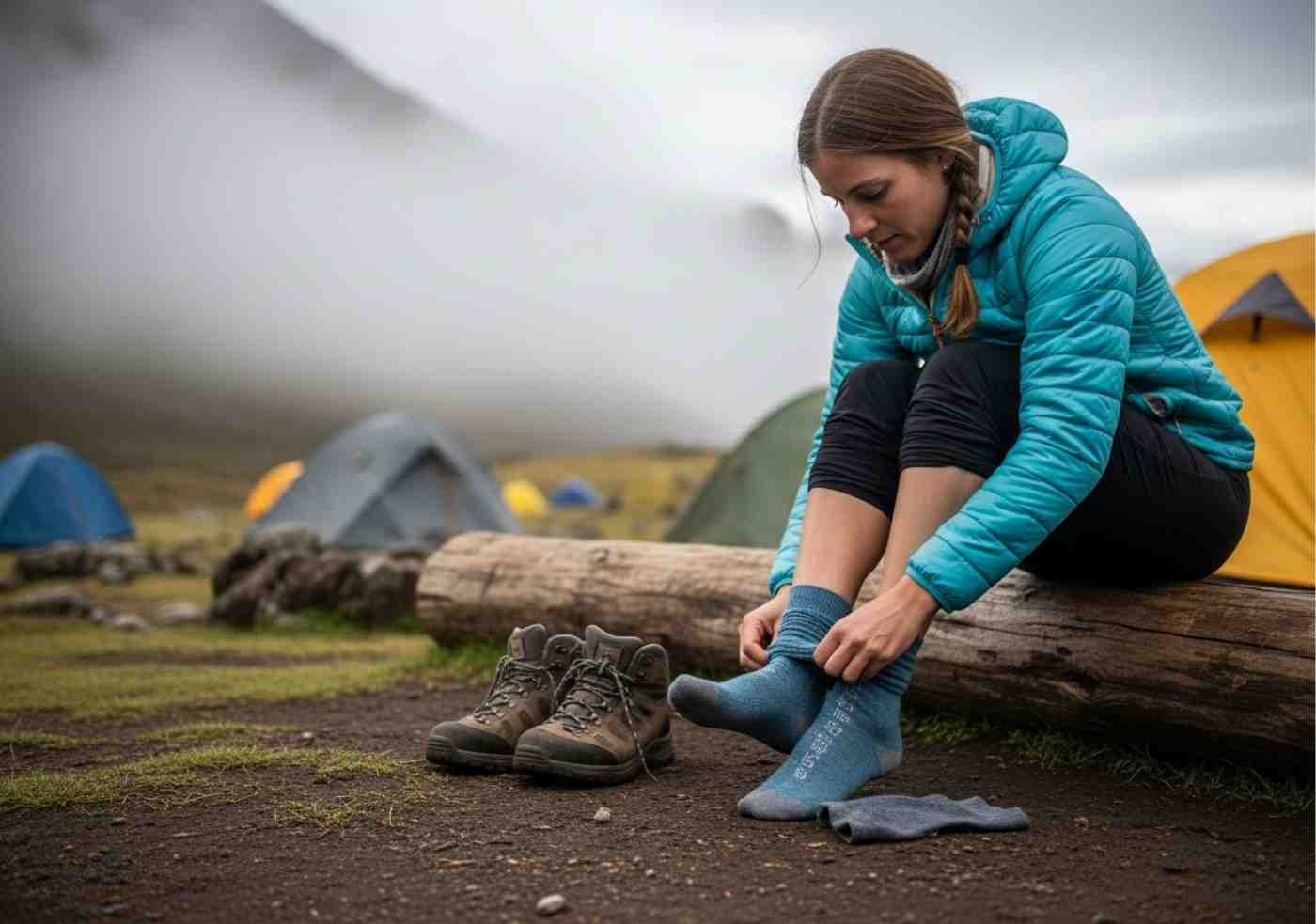
Never rely on a single heavy winter coat. Regulate your body temperature by adding or removing modular layers:
Base Layer (Moisture Management): Synthetic polyester or merino wool long-sleeve tops and bottoms that pull sweat away from your skin. Strictly avoid cotton.
Mid-Layer (Thermal Insulation): A breathable grid fleece jacket or packable down/synthetic jacket that traps warm air generated by your body.
Outer Layer (Weather Defense): A windproof, waterproof jacket with taped seams and armpit ventilation zips (Gore-Tex or equivalent), plus waterproof rain pants.
Quick Gear Checklist by Category
| Gear Category | Required Items |
|---|---|
| Apparel | 3 quick-dry hiking shirts • 2 trekking pants • 1 thermal sleep set • 4 wool socks. |
| Cold Weather | Warm down jacket • Fleece beanie • Thermal gloves • Neck gaiter (buff). |
| Footwear | Broken-in trail boots or trail runners • Camp sandals or lightweight sneakers. |
| Hardware | Trekking poles with rubber tips • 300-lumen headlamp • 15,000 mAh power bank. |
| Health & Sun | DEET 30%+ repellent • Broad-spectrum SPF 50+ • UV400 sunglasses • Water purification. |
The 5 kg Horse Duffel vs Daypack Rule: Weight Distribution Explained
On our guided Salkantay Trek expeditions, pack horses and horsemen (arrieros) carry your main duffel bag between campsites from Soraypampa to Chaullay. To respect animal welfare regulations, each hiker is strictly limited to 5 kg (11 lbs) of duffel weight, which includes your sleeping bag weight (typically ~1.5 to 2 kg if renting from us).
This means you must carefully separate what stays with the horses from what you carry on your back:
- In Your Daypack (Carried with You All Day): Rain poncho, windbreaker, fleece layer, 2 liters of water, camera/phone, passport and cash, personal blister kit, sunscreen, lip balm, and trail snacks. Once you leave camp in the morning, you will not see your main duffel until reaching the next evening campsite.
- In Your Horse Duffel (Access at Camps Only): Sleeping clothes, thermal underwear, extra trekking socks, evening footwear (light sneakers or sandals to air out your feet), toiletry bag, camp towel, and spare phone charger power bank.
Sub-Zero Electronics Care at High Altitude
At Soraypampa (3,900 m / 12,795 ft), night temperatures routinely drop between -2°C and -7°C (28°F to 19°F). Lithium-ion smartphone and camera batteries suffer rapid voltage drops in freezing air, sometimes discharging from 80% to dead within minutes. Pro mountain tip: Keep your smartphone, camera batteries, and power banks inside a wool sock at the bottom of your sleeping bag with your body heat overnight.