📌 Route Comparison: Salkantay Trek vs Classic Inca Trail
- Booking Flexibility: Inca Trail requires non-refundable permits 5 to 7 months in advance; Salkantay Trek can be booked weeks prior.
- Maximum Altitude: Salkantay crosses Salkantay Pass at 4,630 m (15,190 ft); Inca Trail tops out at Warmiwañusqa (Dead Woman’s Pass) at 4,215 m (13,828 ft).
- Terrain Impact: Inca Trail features over 3,000 steep stone steps taxing knees; Salkantay follows natural dirt singletrack and scree switchbacks.
- Camp Logistics: Inca Trail uses crowded government campsites; Salkantay features private camps with 4-season Eureka tents and hot shower options.
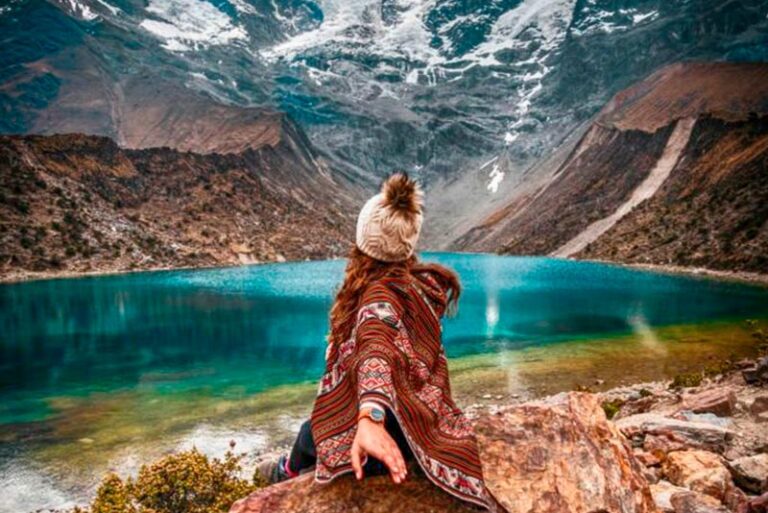
- Scenery Highlights: Inca Trail focuses on stone archaeological sites; Salkantay offers glaciated peaks (6,271 m), Humantay Lake, and coffee farms.
Choosing between the Salkantay Trek 5 Days and the Classic Inca Trail 4 Days is the primary crossroads for hikers planning an overland pilgrimage to Machu Picchu. Both routes traverse the dramatic geography of the Peruvian Andes, but they present entirely distinct physical, environmental, and logistical challenges.
Glacial Panoramas vs Ancient Inka Stone Citadels
The visual signature of each trek could not be more different. The Classic Inca Trail is an archaeological pilgrimage: the stone highway built by Emperor Pachacuti leads through cloud-forest ruins like Patallacta, Runkurakay, Sayacmarca, and Wiñay Wayna, culminating in a sunrise arrival at the Sun Gate (Inti Punku).
The Salkantay Trek is a raw high-mountain wilderness expedition. You walk beneath the hanging blue glaciers of Mount Salkantay (6,271 m / 20,574 ft), visit the turquoise glacial waters of Humantay Lake (4,200 m / 13,779 ft), and descend into the lush subtropical Aobamba valley before exploring the ruins of Llactapata directly facing Machu Picchu across the canyon.

Terrain Difficulty: Paved Stone Steps vs High Alpine Pass
While the Inca Trail reaches a lower maximum elevation (4,215 m / 13,828 ft), it is notorious for knee punishment. Day 2 and Day 3 require descending thousands of irregular, steep granite steps constructed 500 years ago, placing intense eccentric strain on patellar tendons and hip flexors.
The Salkantay Trek climbs higher to 4,630 m (15,190 ft) at the Salkantay Pass, demanding greater cardiovascular lung stamina and thermal resilience against sub-zero winds. However, because the trail follows dirt switchbacks, hiking poles absorb impact smoothly and pack horses carry your 5 kg personal duffel bag, leaving you with only a light daypack.
Technical Comparison Table: Salkantay vs Inca Trail
| Route Dimension | Classic Inca Trail (4 Days) | Salkantay Trek (5 Days) |
|---|---|---|
| Highest Elevation | 4,215 m (13,828 ft) at Dead Woman’s Pass. | 4,630 m (15,190 ft) at Salkantay Pass. |
| Total Distance | 43 km (26.7 miles). | 65 km (40.4 miles). |
| Permit Requirements | Strict government quota (500/day); 5-7 months in advance. | Open wilderness trail; 2-4 weeks advance booking typical. |
| Porters vs Pack Animals | Native porters carry communal gear on foot. | Pack horses carry expedition duffels and gear. |
| Campsite Facilities | Shared state campsites; cold communal showers. | Private wilderness camps; 4-season tents; hot shower options. |
Frequently Asked Questions: Salkantay vs Inca Trail
Which of the two treks is physically harder? Salkantay is harder on lung capacity and cold endurance due to the 4,630 m pass and sub-zero nights at Soraypampa. The Inca Trail is harder on joints and knees due to thousands of stone steps.
What is the best alternative if Inca Trail permits are sold out? The Salkantay Trek 5D is recognized worldwide as the premier alternative, followed closely by the Inka Jungle Premium for travelers who prefer downhill cycling and rafting.