📌 Altitude Health Protocol: Salkantay at 4,630 m
- Mandatory Acclimatization: Minimum 48 hours in Cusco (3,400 m) before departing for Soraypampa camp (3,900 m).
- Early Symptoms to Report: Throbbing frontal headache, loss of appetite, persistent nausea, and insomnia at night.
- Clinical Monitoring: Morning and evening pulse oximetry (monitoring heart rate and SpO2 blood oxygen saturation).
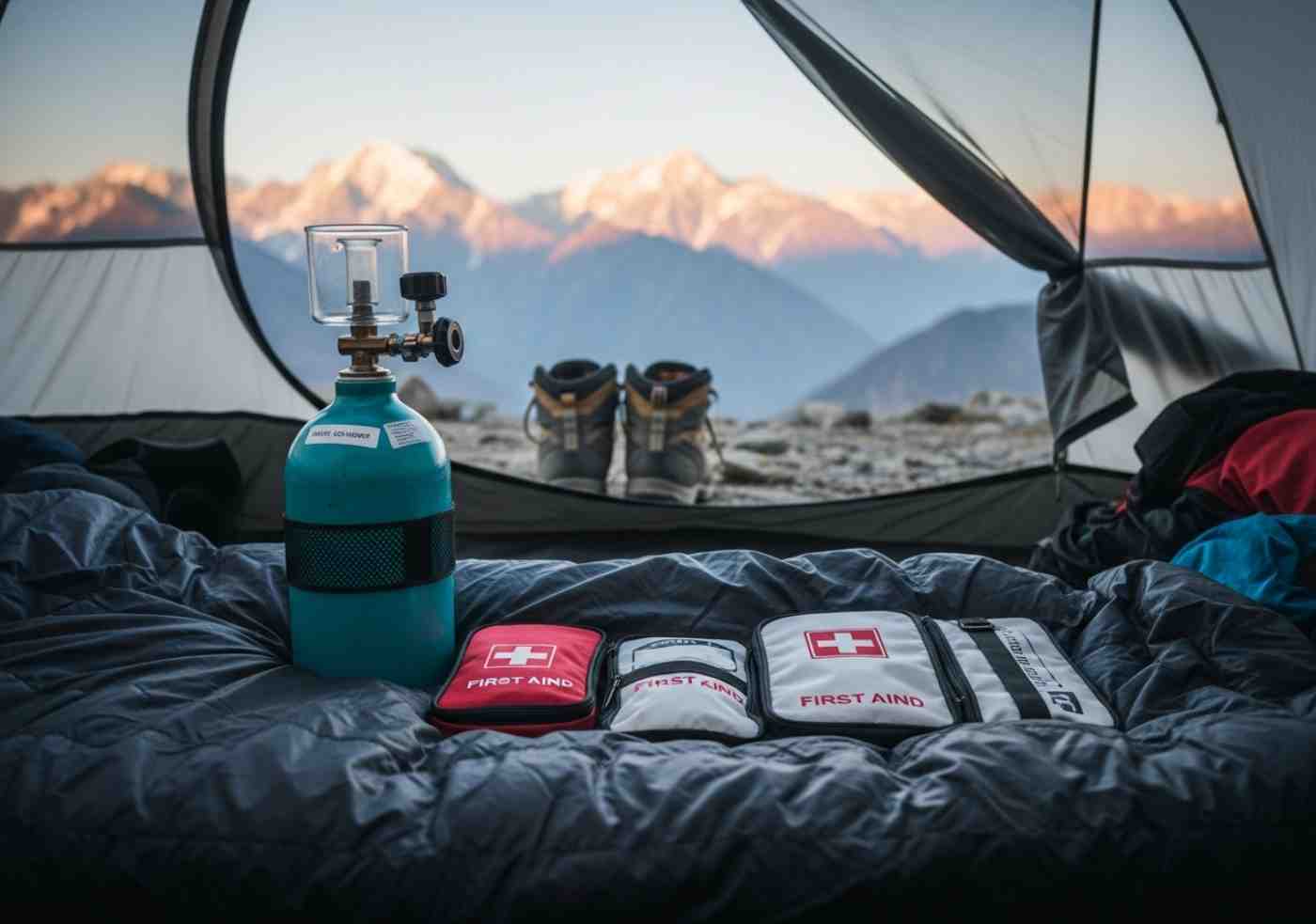
- Oxygen Equipment: Portable pressurized medical oxygen cylinder carried on every departure by Inka Jungle Tour.
- The Definitive Cure: Immediate descent. Descending 600 to 1,000 meters into the valley resolves acute mountain sickness rapidly.
High altitude sickness (known locally as soroche) is the foremost medical consideration for hikers undertaking the Salkantay Trek. Crossing the Salkantay Pass at 4,630 m (15,190 ft) brings you into an environment where atmospheric barometric pressure is roughly 40% lower than at sea level. Understanding how hypoxia affects human physiology and knowing how professional mountain operators manage altitude safety ensures a secure journey.
Recognizing True Soroche Symptoms Early
Mild altitude symptoms are common during your first 24 hours at elevation: a mild headache upon waking, slight shortness of breath when climbing stairs, and unusual dreams. These are normal adaptive signs as your body balances blood pH.
However, acute mountain sickness (AMS) must not be ignored. Warning signs include a pounding headache unresponsive to ibuprofen, nausea with vomiting, dizziness, extreme lethargy, and loss of coordination (ataxia). Never hide symptoms from your mountain guide out of pride; early intervention prevents mild soroche from escalating into High Altitude Pulmonary Edema (HAPE).
The Acclimatization Window: 48 Non-Negotiable Hours
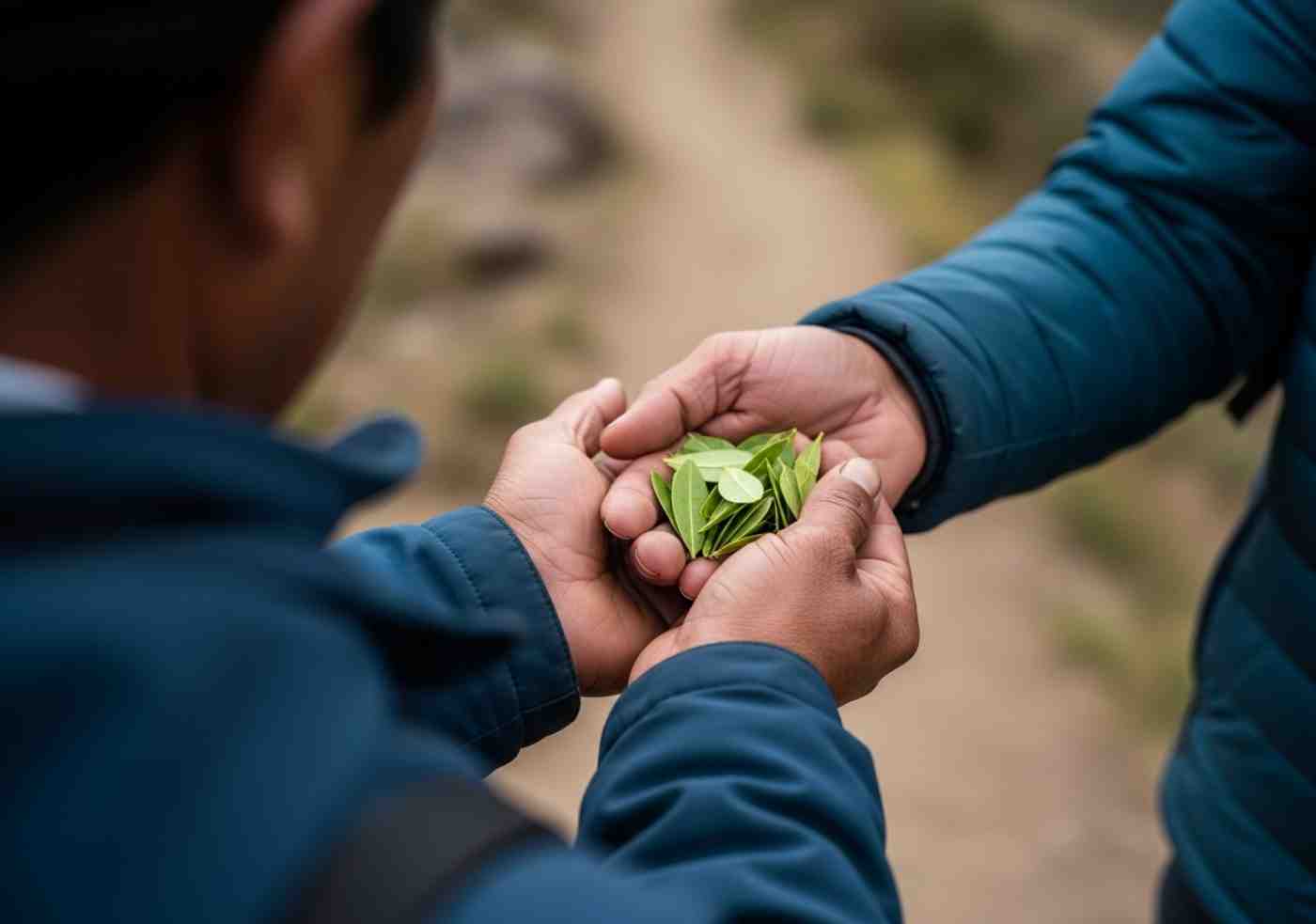
The single most powerful preventive measure is spending at least two full calendar days in Cusco (3,400 m / 11,152 ft) or the Sacred Valley (2,870 m / 9,416 ft) before stepping onto the Salkantay trail. During this window, your kidneys excrete bicarbonate, your breathing rate increases during rest, and your body begins synthesizing new red blood cells.
During these 48 hours, drink 3 to 4 liters of water daily, strictly avoid alcoholic beverages, eat easily digestible carbohydrate-rich meals, and take light walking tours to stimulate blood circulation without exhausting yourself.
Physiological Protocols Across Salkantay Elevation Zones
| Elevation Zone | Physiological Impact & Guide Protocol |
|---|---|
| Cusco (3,400 m / 11,152 ft) | Initial acclimatization • Hydration focus • Baseline SpO2 reading (88-92%). |
| Soraypampa (3,900 m / 12,795 ft) | Camp 1 • Sub-zero cold • Evening oximeter check • Garlic soup for circulation. |
| Salkantay Pass (4,630 m / 15,190 ft) | Maximum altitude • 15-minute stay limit • Emergency riding horse escort trailing group. |
| Wayracmachay (3,912 m / 12,834 ft) | Descent station • Atmospheric pressure increases • Headache relief begins. |
| Chaullay (2,900 m / 9,514 ft) | Warm high jungle • SpO2 restores above 94% • Deep, restful sleep restored. |
Frequently Asked Questions on Health & Altitude
Should I take Sorojchi Pills or Diamox? Over-the-counter Sorojchi Pills are simple pain relievers (aspirin + caffeine). Acetazolamide (Diamox) is an active prescription medication that stimulates breathing; consult your doctor prior to departure if you plan to use it.
What emergency medical equipment does Inka Jungle Tour carry? Every departure carries a pressurized medical oxygen tank with delivery mask, a trauma first-aid kit, a digital fingertip pulse oximeter, and an emergency saddle horse on Day 2.