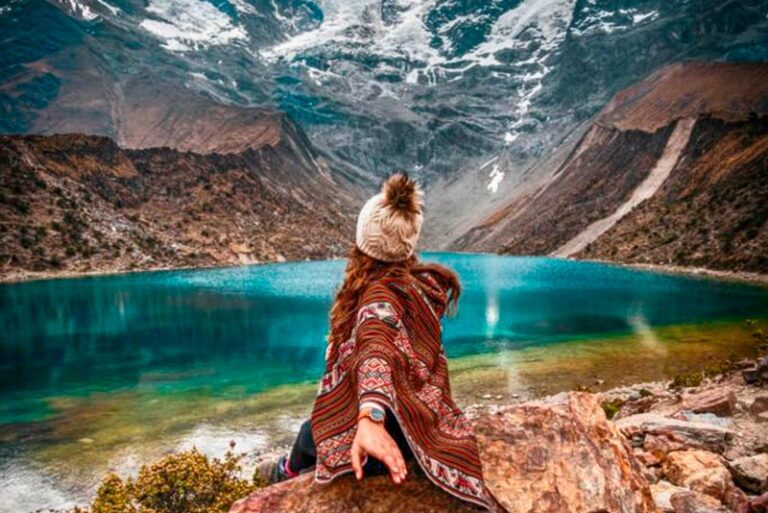
Technical Weather Summary: The best time to hike the Salkantay Trek is from May to October (dry season), featuring less than 10% rain probability and pristine visibility of the snowcapped glacier. Operated directly by Inka Jungle Tour, authorized local operator in Cusco with MINCETUR license, the trek features camps equipped with 4-season tents for max 2 guests rated for sub-zero night temperatures down to −5 °C in Soraypampa (3,900 m), pack horses for luggage, and guaranteed departures on both the classic 5-day and express 4-day routes.
Choosing the right month to hike the Salkantay Trek to Machu Picchu makes the difference between witnessing the majestic southern glacier face against a cobalt-blue sky or walking shrouded in dense Andean mist. Unlike the Inca Trail (paved with stone causeways), Salkantay is a rugged dirt and glacial moraine route where seasonal rainfall directly impacts descending traction and overall trail safety.
The Vilcabamba mountain range experiences two clearly defined seasons across the year. Understanding field conditions enables you to plan with professional insight:
| Operational Factor | Dry Season (May to October) | Rainy Season (November to April) |
|---|---|---|
| Glacier Visibility | Clear 90-95%; expansive skies and starry nights | Unpredictable; low clouds and morning fog banks |
| Trail Condition | Firm, dry dirt; excellent moraine traction | Muddy patches in high jungle; caution required on descents |
| Soraypampa Temperature | Extreme nighttime cold (0 °C to −5 °C in June/July) | Milder nights (3 °C to 7 °C); higher ambient humidity |
| Trail Traffic | High (June, July, and August have peak permit demand) | Low; serene wilderness and lush tropical vegetation |
Not every dry month yields the same visual experience. High-Andean flora and tourist crowds shift noticeably across the season:
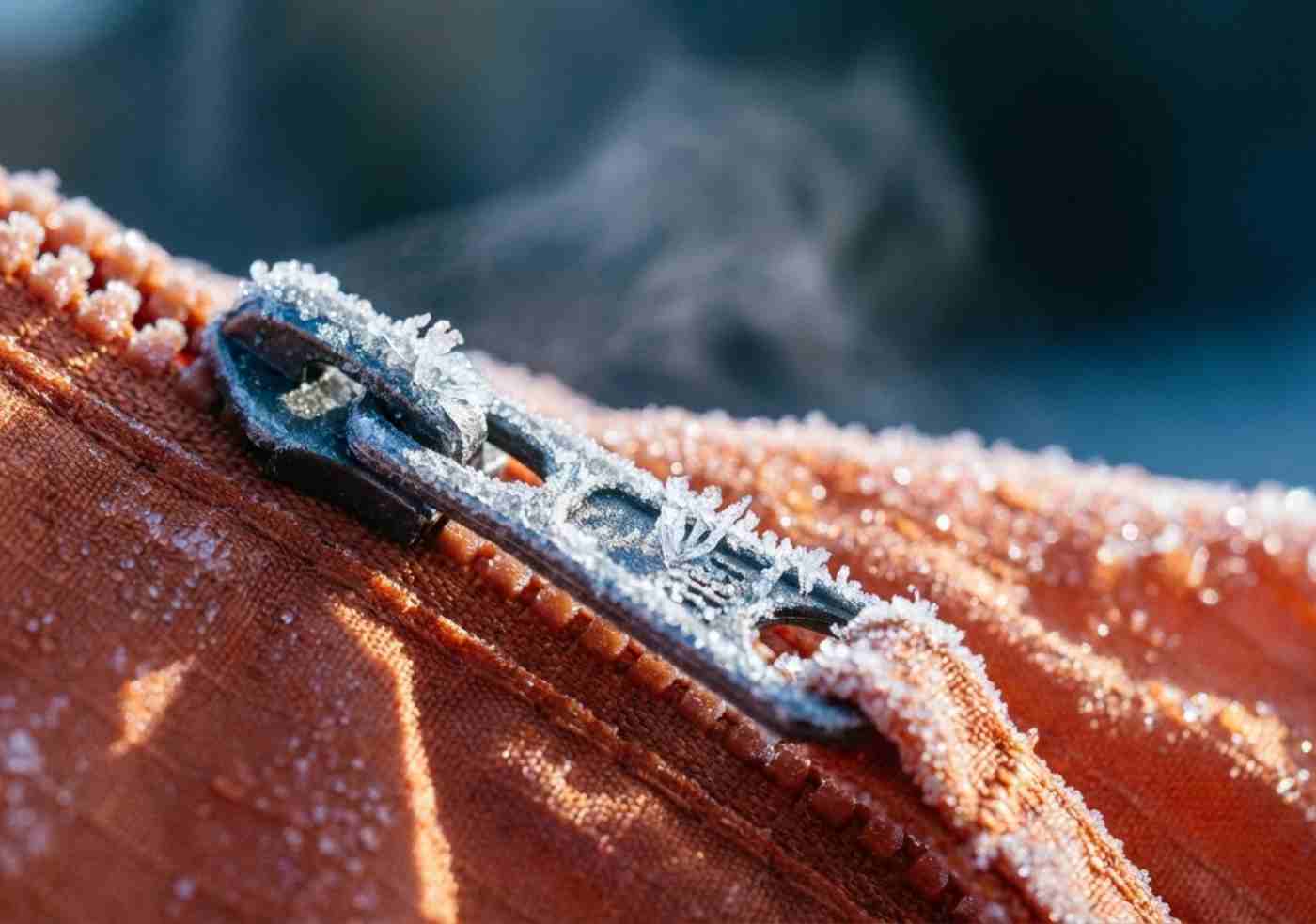
These months feature the lowest precipitation index of the entire year. June and July offer pristine blue skies for mountain photography at both Humantay Lake and Salkantay Pass. They demand proper thermal gear: comfort-rated sleeping bags (−5 °C to −10 °C / 14°F to 23°F) and a warm layering system for camp evenings.
The ideal sweet spot for travelers looking to avoid peak summer crowds. In late April, the mountains display vivid greenery following summer rains, while September and October bring warm days, milder nights, and quieter trails with less congestion inside Machu Picchu.
Rain is frequent during these months, peaking in January and February. While our trek operates smoothly thanks to certified wilderness guides and protected campsites, the trail requires waterproof Gore-Tex boots, gaiters, and a durable rain poncho. In return, inter-Andean valleys showcase cascading waterfalls and dense flora at their most dramatic.
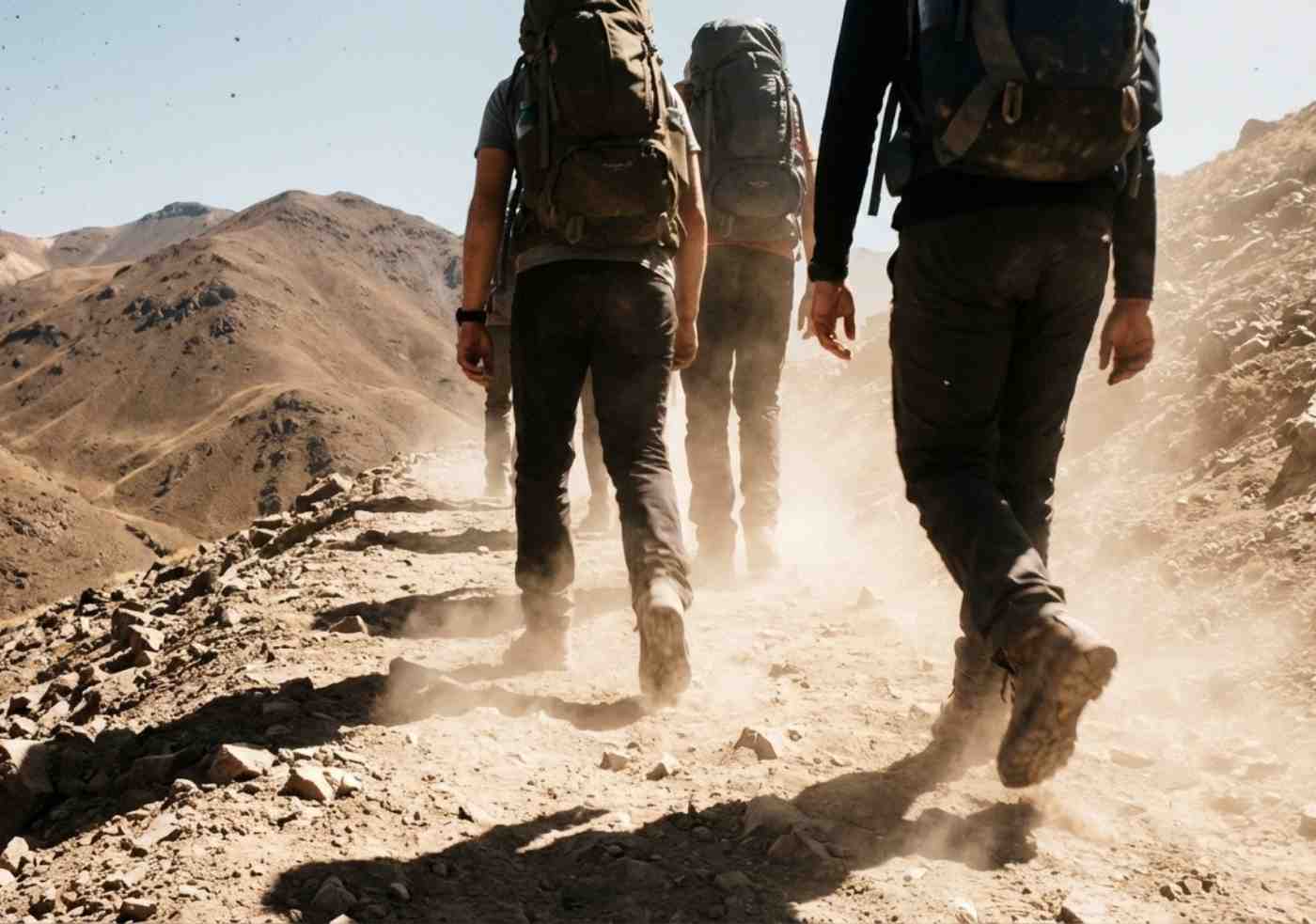
No. The Salkantay Trek remains open 365 days a year. Unlike the government-managed Inca Trail network (which shuts down every February for trail conservation), Salkantay remains operational, subject only to daily safety checks at river crossings during localized rain spikes.
During the day under direct Andean sun, temperatures hover between 12 °C and 18 °C (54°F to 64°F). However, at Salkantay Pass (4,630 m / 15,190 ft) wind chill drops temperatures down to 2 °C to 5 °C (35°F to 41°F), requiring windproof shells and thermal gloves.
For departures between May and August, we recommend reserving 2 to 3 months in advance. While the mountain trail itself has no government daily permit quota, official Machu Picchu citadel tickets and return panoramic trains sell out weeks ahead.