📌 Post-Trek Recovery Blueprint: Cusco & Sacred Valley
- Thermal Hydrotherapy: Natural hot springs at Cocalmayo (40°C / 104°F) flush lactic acid before returning to Cusco.
- Deep Tissue Massage: Traditional Andean herbal massages with eucalyptus and muña oils relieve calf and hamstring tightness.
- Gentle Urban Movement: Easy strolls through San Blas artisan shops keep circulation active without taxing joints.
- Nutritional Replenishment: Protein and antioxidant-rich meals featuring Andean trout, quinoa bowls, and fresh subtropical fruits.
- Luggage Recovery: Effortless reclaim of stored city suitcases upon hotel check-in arranged by Inka Jungle Tour.
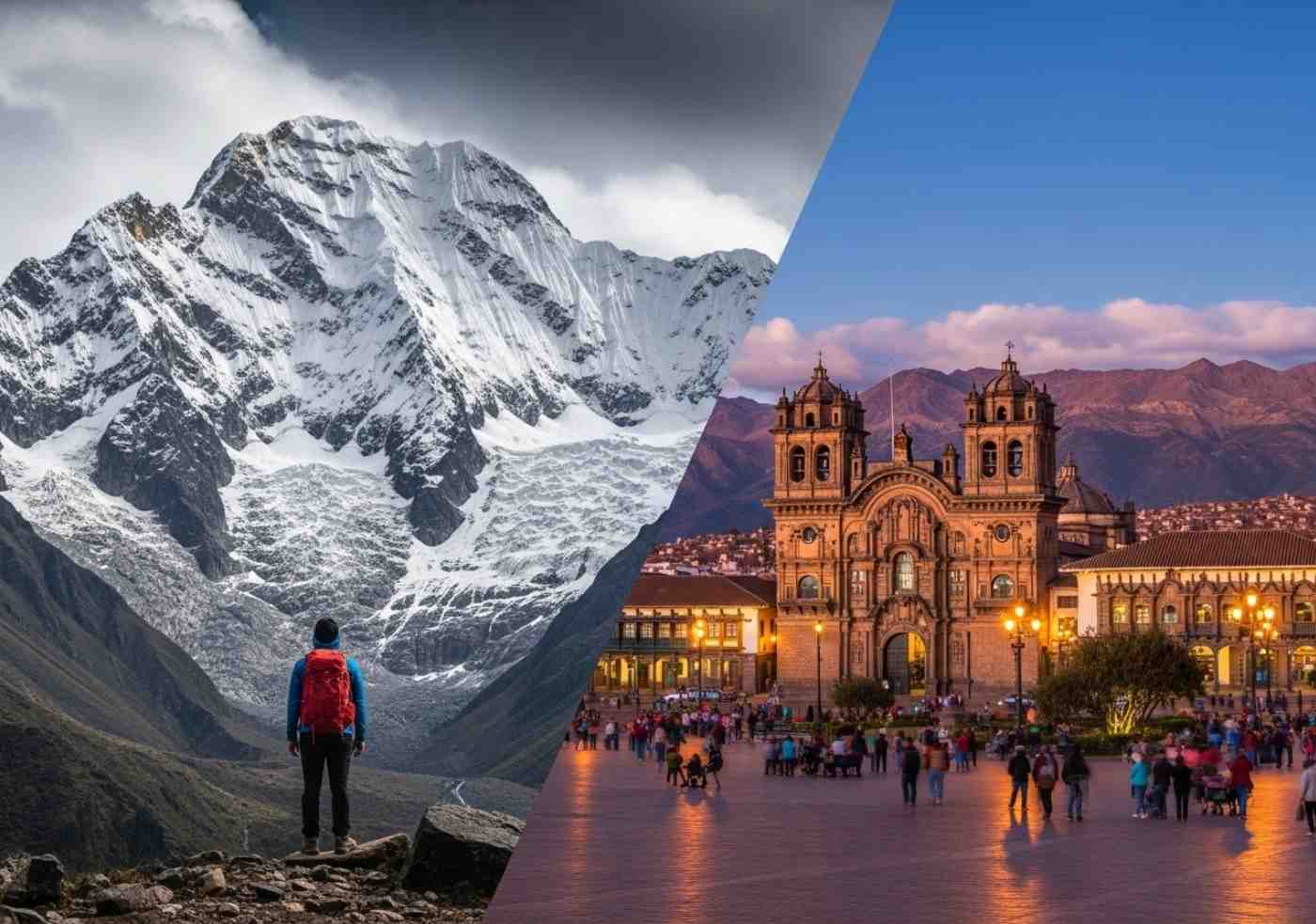
After conquering the 65-kilometer mountain route of the Salkantay Trek and spending hours exploring the stone plazas of Machu Picchu, your return train pulls into Ollantaytambo station. Arriving back at your Cusco hotel at 3,400 m (11,152 ft), your mind is filled with magnificent memories, but your quadriceps, calves, and lower back will appreciate a structured post-trek recovery plan.
Muscular Recovery: Hydrotherapy and Andean Massage
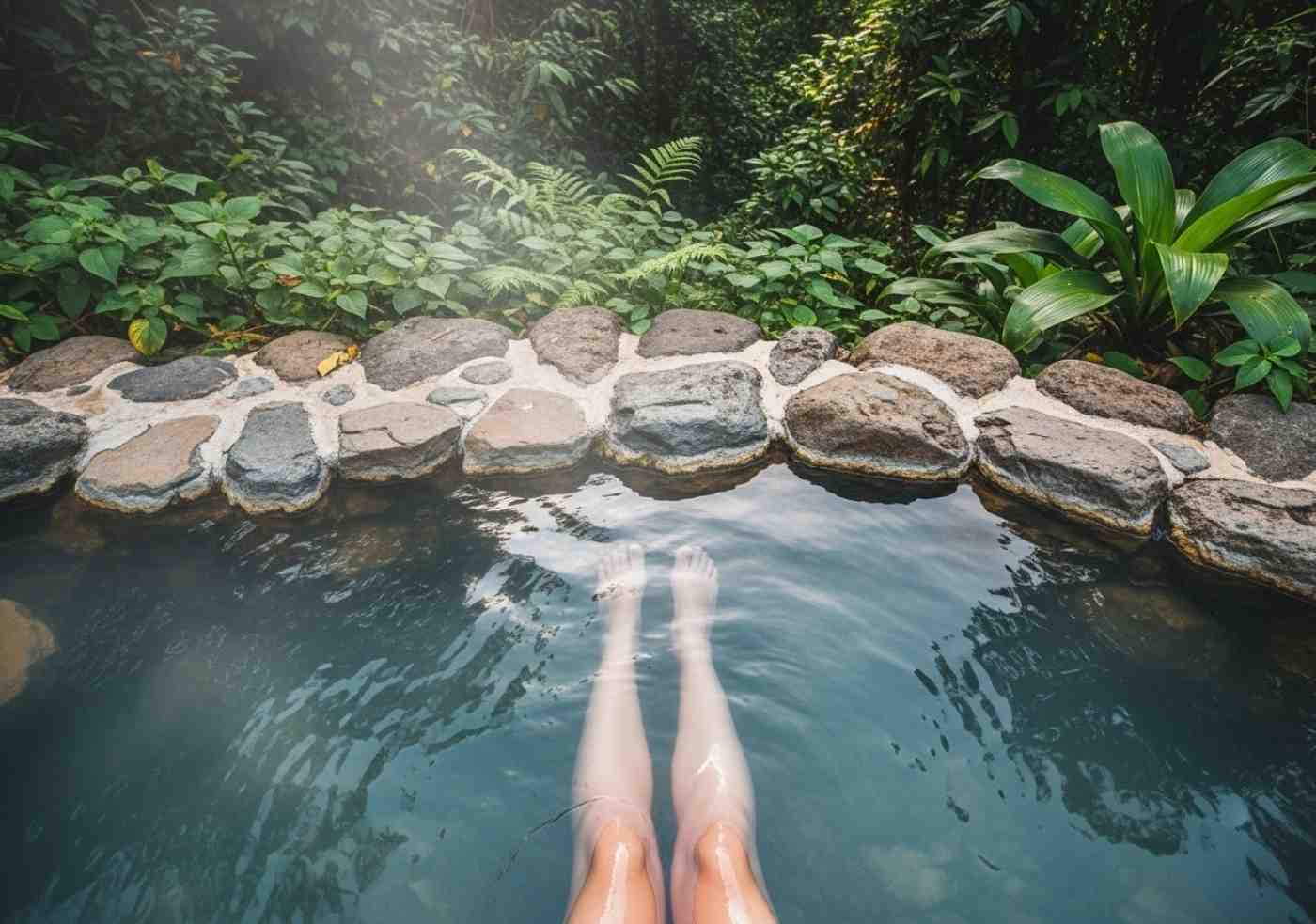
The first phase of muscular repair actually begins during the trek at Cocalmayo thermal springs in Santa Teresa (1,500 m). Soaking in these volcanic mineral pools at 40°C (104°F) dilates blood vessels, flushing metabolic waste from tired leg muscles.
Back in Cusco, treat yourself to a specialized deep-tissue sports massage. Many certified therapeutic spas in the historic center utilize warm volcanic stones and essential oils distilled from native medicinal herbs like eucalyptus, muña, and rosemary, reducing myofascial tension and promoting lymphatic drainage.
Gentle Strolls and Artisan Shopping in San Blas
Do not remain completely immobile in your hotel room all day following your return. Light walking promotes active recovery. The cobblestone pedestrian alleys of San Blas offer charming, flat routes lined with traditional painting ateliers, ceramic workshops, and quiet courtyard cafes.
Relax with a warm cup of hot chocolate made from native Chuncho cacao or sip an herbal infusion while shopping for alpaca wool textiles, allowing your legs to loosen naturally without sustained cardiovascular strain.
Post-Trek Recovery Timeline
| Timeframe | Recommended Activity | Physiological Purpose |
|---|---|---|
| Night of Return | Long hot shower, hearty protein dinner, 9+ hours sleep. | Cellular repair and delta-wave sleep restoration. |
| Day 1 Post-Trek | 60-minute deep tissue massage • Light walking in San Blas. | Myofascial release and lactic acid clearance. |
| Day 2 Post-Trek | Gentle Sacred Valley day trip (Pisac or Maras-Moray). | Gentle movement at lower, oxygenated altitude (2,870 m). |
Replenishing Energy with Andean Superfoods
Five days of high-altitude exertion burns thousands of calories. Replenish your body’s energy stores with nutrient-dense Peruvian gastronomy: fresh ceviche with sweet potato, baked Andean trout, hearty quinoa chowders, and avocado salads. Fresh tropical fruit juices from the San Pedro Market—such as passion fruit (maracuya) and lucuma smoothies—provide potassium and clean vitamin C to restore your immune defenses.
48-Hour Active Muscle Recovery Protocol
After conquering over 60 kilometers of rugged mountain trails, your quadriceps, calves, and lower back will feel the cumulative strain of steep downhill descents. Rather than remaining completely sedentary in bed, sports physiologists and mountain guides recommend an active recovery routine:
- Gentle Flat Walking: Take a slow 20-minute stroll around Cusco Plaza de Armas or the level pedestrian streets of the historic center. Gentle movement stimulates blood circulation, flushing accumulated lactic acid from sore leg muscles without adding joint impact.
- Deep Tissue & Reflexology Massage: Cusco historic San Blas neighborhood hosts numerous licensed wellness centers offering specialized post-trek sports massages using natural Andean herbal oils like arnica and eucalyptus.
- Hydration & Electrolyte Replenishment: High altitude dehydration lingers for days. Drink at least 2.5 liters of clean water daily, supplemented with mineral-rich electrolyte packets, herbal muña tea (Andean mint for digestion), and warm quinoa soups.