
📌 Fitness Blueprint: Training for Salkantay Pass
- Aerobic Endurance Focus: Low-intensity steady-state cardio (Zone 2) 3 to 4 times weekly builds mitochondrial efficiency for thin air.
- Eccentric Leg Conditioning: Stair climbing and weighted step-downs prepare quadriceps and knees for 13 km of rocky downhill descent.
- Diaphragmatic Breathing: Inhaling deeply through the nose and expanding the belly maximizes oxygen uptake under hypoxic strain.
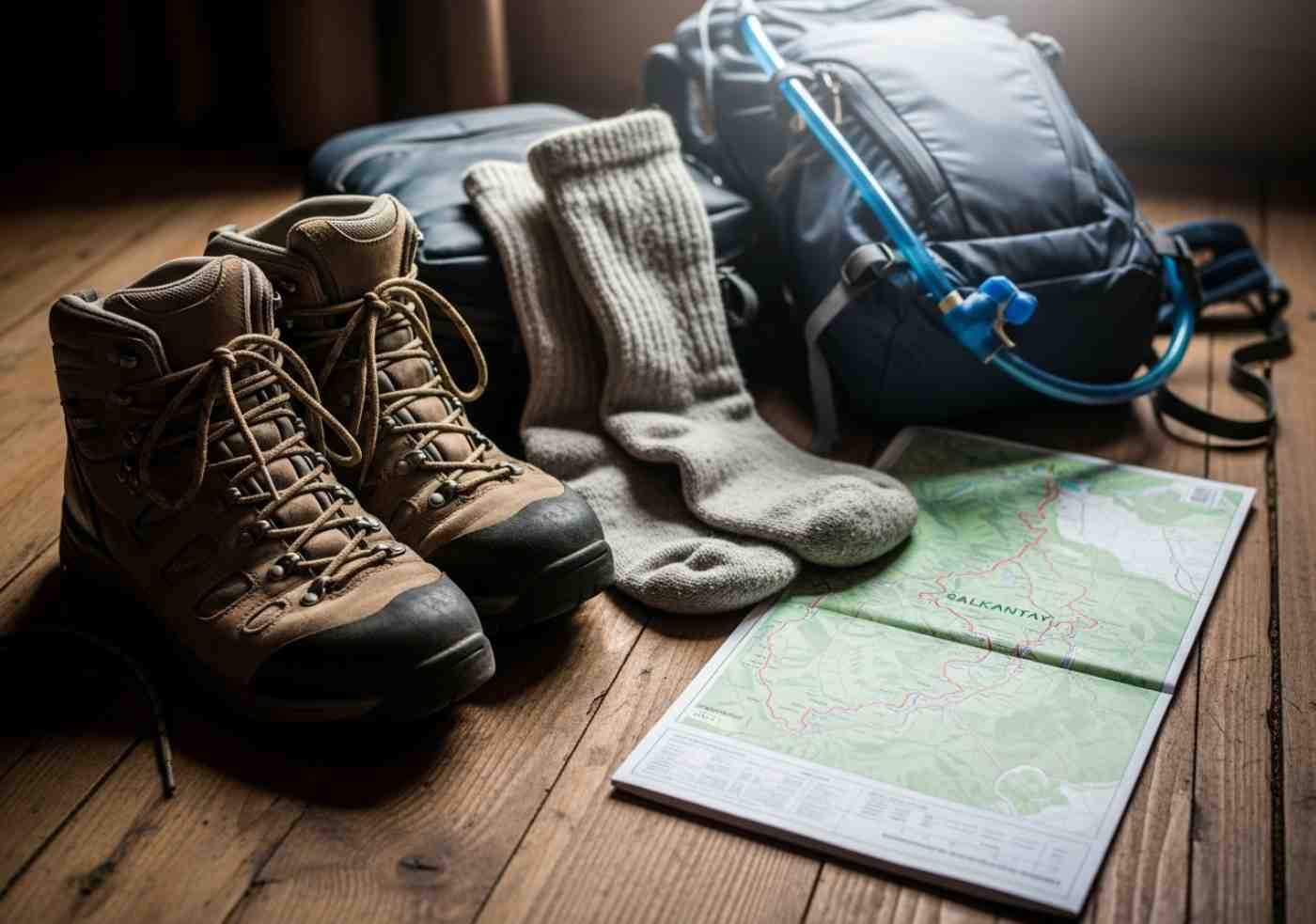
- Footwear Break-In: Minimum 30 to 40 kilometers walked in your actual trekking boots before setting foot in Peru.
- Core & Back Stability: Planks, bird-dogs, and lunges build postural stamina for carrying a 5-6 kg loaded daypack for 7 hours daily.
There is an intimidating misconception that tackling the Salkantay Trek requires the genetics of an elite mountaineer or a year of grueling gym marathons. In operational reality, completing this 65-kilometer high-altitude journey comfortably comes down to steady aerobic conditioning, eccentric leg strength, and deliberate pacing rather than raw power.
The Myth of the Mountain Athlete vs Steady Endurance
High-altitude trekking is not a sprint. On the steep slopes of the Salkantay Pass at 4,630 m (15,190 ft), fast sprinters who push too hard spike their heart rates, deplete glycogen prematurely, and trigger acute altitude distress. The hikers who succeed with the greatest ease are those who have built steady, sub-lactate threshold endurance—the ability to walk continuously at an even, rhythmic pace for six to eight hours without stopping every few steps.
For office workers and corporate professionals who sit 8 to 10 hours a day, the priority is waking up dormant gluteal muscles, strengthening ankle stabilizers, and conditioning connective tissues in knees to withstand sustained downhill impacts.
Practical 4-Week Training Plan for Working Professionals
You do not need access to mountain ranges to prepare effectively. A structured month-long routine fitting around your work schedule produces substantial conditioning:
Weeks 1 & 2: Building Aerobic Base and Joint Integrity: Three 45-minute sessions per week of brisk walking, cycling, or elliptical machine workouts in Zone 2 (a conversational pace where you can speak a full sentence without gasping). Add two 20-minute sessions of bodyweight strength: bodyweight squats, walking lunges, calf raises on a step, and 60-second forearm planks.
Weeks 3 & 4: Stair Climbing and Loaded Daypack Simulation: Find a public stairwell, stadium bleachers, or use a gym stair-climber machine twice a week for 30 to 40 minutes. Wear your actual broken-in trekking boots and carry a small backpack loaded with 4 to 5 kg (books or water bottles). Focus on stepping down smoothly—controlling the descent is what shields your patellar tendons from inflammation on Day 2.

Diaphragmatic Breathing on Steep Andean Incline
At 4,000 meters and above, shallow chest breathing creates hyperventilation and lightheadedness. Practice deep diaphragmatic breathing: expand your lower belly and ribcage outwards on inhalation, drawing air deep into the oxygen-rich lower lobes of your lungs.
On steep sections like the switchbacks of the Siete Culebrillas, match each inhalation and exhalation to your footstep: step-step-inhale, step-step-exhale. When paired with synchronized trekking pole strikes, this rhythm keeps your heart rate stable below threshold.
Weekly Pre-Trek Training Schedule
| Day of Week | Workout Focus and Duration |
|---|---|
| Monday | 45 min Zone 2 Cardio (Brisk uphill walking or stationary cycling) • Core work. |
| Tuesday | Leg strength: 3 sets of 15 bodyweight squats, lunges, step-downs, and calf raises. |
| Wednesday | Rest or gentle 20-minute stretching and foam rolling for hamstrings and quads. |
| Thursday | 35 min Stair climbing with 4 kg loaded daypack • Focus on controlled descent. |
| Saturday | Long weekend walk: 90 to 120 minutes on varied urban terrain in broken-in boots. |