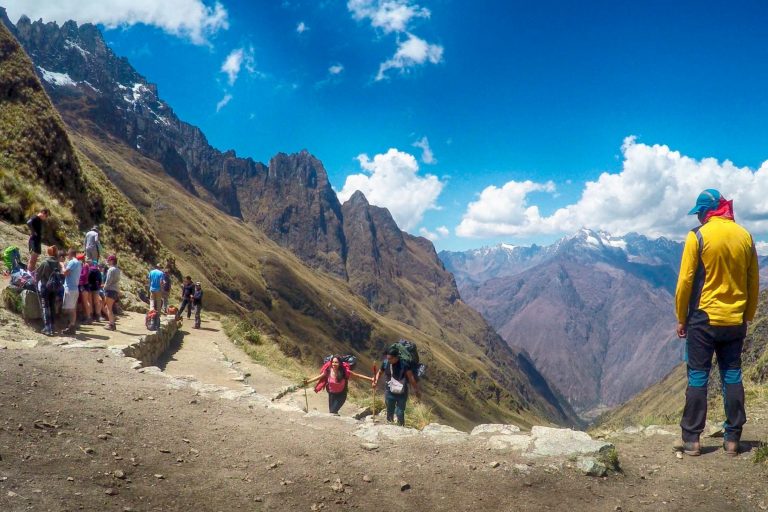
Every year throughout the 28 days of February, the Classic Inca Trail 4 Days suspends all trekking operations under official mandate from Peru’s National Service of Protected Natural Areas (SERNANP) and the Ministry of Culture. This regular closure raises common questions among travelers: can you still visit Machu Picchu in February, what are rainy season trail conditions really like, and which months offer the best trekking weather? Understanding the reasons behind the closure helps you pick the right dates for your trip.
📌 Field Facts: Inca Trail Maintenance and Seasons
- Official February Closure: Applies strictly to on-foot trekking routes (Classic 4-Day and Short 2-Day Inca Trail) for stone path restoration and trail conservation.
- Machu Picchu Citadel Stays Open: The archaeological sanctuary and scenic tourist trains run normally 365 days a year without interruption.
- Recommended Dry Season: May through September, with clear sunny days and cold nights dropping to 0°C to 5°C (32°F to 41°F).
- Rainy / Green Season: November through March, with mild temperatures of 18°C to 22°C (64°F to 72°F) and lively emerald green valleys.
- Active February Alternative: The Inka Jungle Tour operates year-round because it travels through warmer subtropical valleys.
Why the Inca Trail Closes in February
The annual February closure is not solely about rain; it is an essential conservation and restoration window. More than 70,000 hikers walk the ancient granite steps each year, wearing down stone pavers, drainage channels, and campsite soil.
During these four weeks, teams of archaeologists, structural masons, and SERNANP park rangers shore up trail embankments, clear and clean complexes like Runkurakay, Sayacmarca, and Wiñay Wayna, regenerate campsite ground vegetation, and clear centuries-old drainage channels so mountain runoff does not erode ancient masonry.

Hiking During the Green Season: November to January
There is a widespread belief that traveling during the Andean rainy season ruins the experience. In reality, November, December, and January bring distinct benefits: nighttime campsite temperatures are far milder than in the winter dry season —hovering between 8°C and 12°C (46°F to 54°F)— and the hillsides turn lively emerald green with wild orchids in full bloom.
Rain in the Peruvian Andes does not typically fall non-stop for 24 hours. Mornings are often bright and clear, with rain showers gathering in mid-to-late afternoon. Equipped with waterproof Gore-Tex hiking boots, pack rain covers, and a reliable mountain rain jacket, you experience the trail with fewer crowds and lush natural surroundings.
Seasonal Comparison: Classic Inca Trail
| Time of Year | Weather Conditions & Booking Recommendations |
|---|---|
| May to September (Dry Season) | Sunny clear days, minimal rain • Freezing nights (-2°C to 4°C) • Highest permit demand. |
| April & October (Shoulder Season) | Balanced weather • Occasional light showers • Moderate crowds • Great visibility. |
| November to January (Green Season) | Afternoon showers • Lush emerald landscapes • Mild night temps • Blooming orchids. |
| February (Maintenance Month) | Trek routes closed for conservation • Machu Picchu open via train and Inka Jungle. |
Booking Timelines for Official Inca Trail Permits
With daily permits capped at 500 (approximately 200 tourists and 300 crew members), peak dates from May to August typically sell out 5 to 7 months in advance once ministerial systems open.
If you plan to trek during shoulder months like April or October, booking 3 to 4 months ahead is recommended. If permits for your target dates are already sold out, proven routes like the Salkantay Trek 5 Days or the active Inka Jungle Premium provide reliable alternatives with guaranteed departures throughout the year.
Additionally, misty mornings during the green season create striking photography: clouds drifting through the river canyon and wrapping around the stone walls of Wiñay Wayna give the ruins an atmospheric quality that clear blue skies rarely produce. Cloud cover also shields your skin from intense high-altitude UV radiation, making daytime hiking comfortable.