📌 Altitude Medicine: Facts on Coca & Soroche Remedies
- Coca Leaf Tea: Mild natural stimulant that eases headaches and nausea; however, it does not physically increase blood oxygen saturation.
- Commercial Sorojchi Pills: Over-the-counter blend of aspirin, caffeine, and acetaminophen that treats symptoms without accelerating acclimatization.
- Prescription Acetazolamide (Diamox): Carbonic anhydrase inhibitor that speeds up acclimatization by stimulating nocturnal breathing ventilation.
- The Irreplaceable Golden Rule: True acclimatization requires 48 hours resting in Cusco (3,400 m) before ascending to 4,630 m.
- Clinical Treatment Protocol: Supplemental oxygen, rest, and immediate descent if severe altitude symptoms emerge.
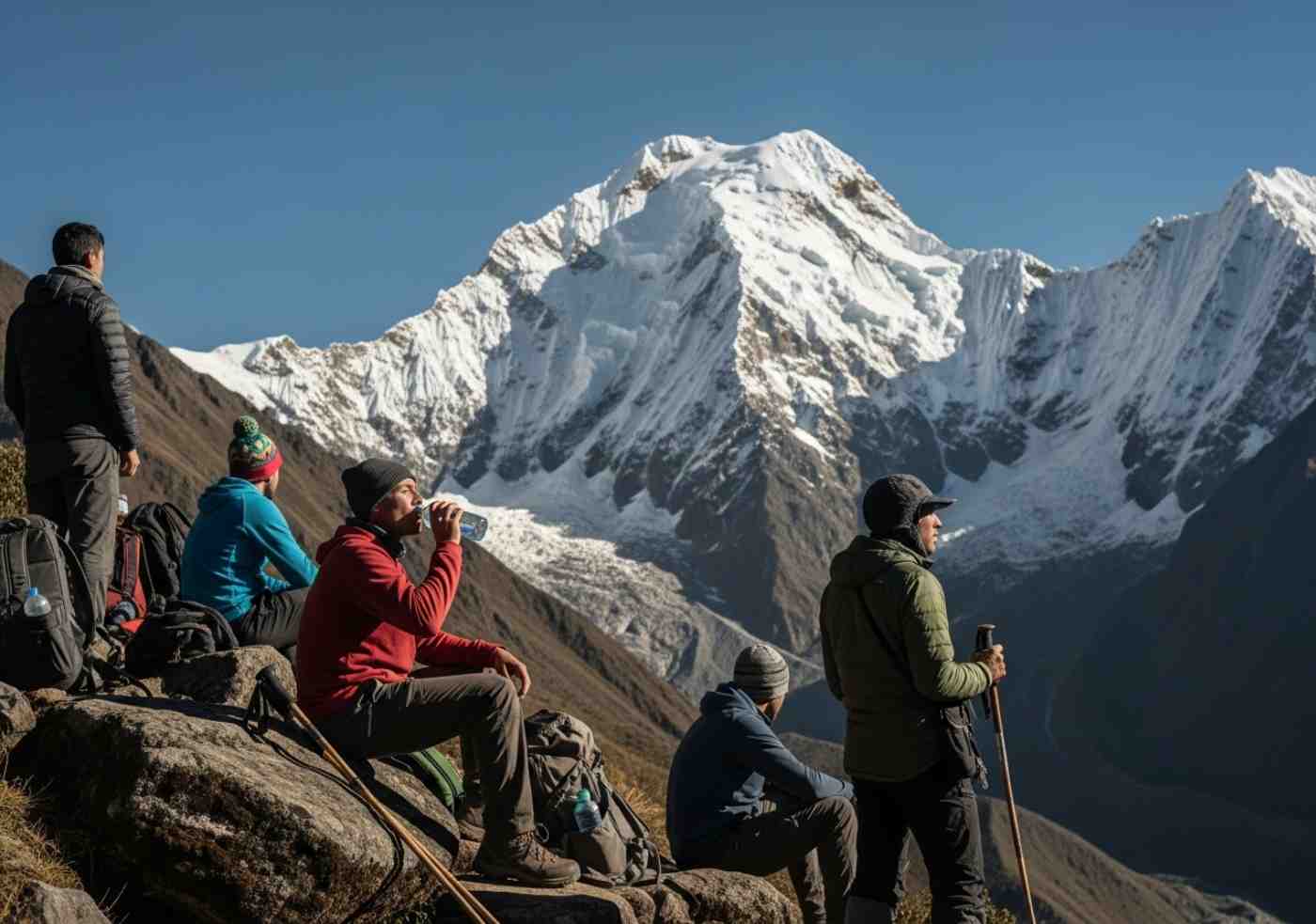
Every year, thousands of excited travelers land at Cusco Airport (3,400 m / 11,152 ft) believing that drinking multiple cups of coca tea or popping commercial over-the-counter “soroche pills” will render them completely immune to high-altitude sickness. While these remedies have their place in mountain culture, relying on them as a magic shield before undertaking the Salkantay Trek can lead to dangerous medical oversights at 4,630 m (15,190 ft).
Coca Tea: Real Physiological Benefits vs Mountain Placebo
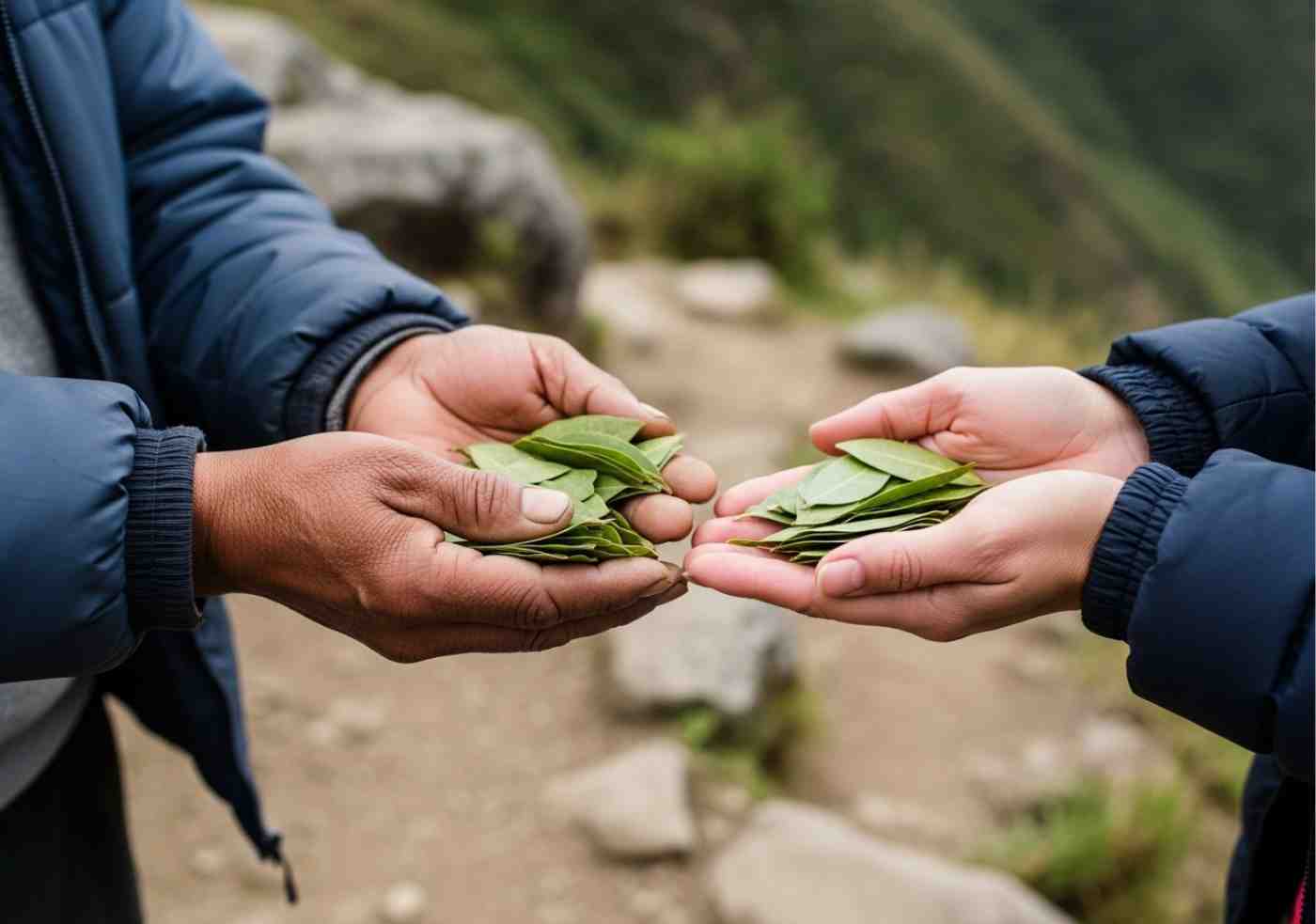
The coca leaf (Erythroxylum coca) has been revered by Andean cultures for millennia. Steeping four to five whole leaves in boiling water releases modest alkaloids that act as mild stimulants—analogous to green tea—promoting mental alertness, easing mild altitude headaches, and settling digestive nausea.
However, from a clinical mountain medicine perspective, coca tea does not alter atmospheric oxygen pressure nor does it force your bone marrow to produce red blood cells faster. Furthermore, drinking excessive cups in the late afternoon can disrupt sleep due to caffeine-like stimulation, depriving your body of the restorative delta-wave sleep needed to acclimatize.
Over-the-Counter “Sorojchi Pills” vs Prescription Acetazolamide (Diamox)
Pharmacies in Cusco widely sell “Sorojchi Pills”. A close look at their pharmacological formula reveals a combination of acetylsalicylic acid (aspirin), acetaminophen, and caffeine. These tablets act as analgesics: they relieve vascular headaches and drowsiness, but they do not treat hypoxia itself.
In contrast, Acetazolamide (Diamox) is a clinically proven medication in wilderness medicine. By inhibiting the carbonic anhydrase enzyme in the kidneys, it mildly acidifies the blood, which triggers your brainstem to breathe faster and deeper—especially while sleeping. Travelers considering Diamox should consult their physician before travel, noting that it is a sulfa-based medication with minor side effects like fingertip tingling.
The Non-Negotiable Rule of Progressive Acclimatization
No tablet or herbal infusion can replace the biological timeline of acclimatization. Your body requires 48 to 72 hours in Cusco or the Sacred Valley to stimulate erythropoietin (EPO), adjust blood pH, and expand pulmonary capillary beds.
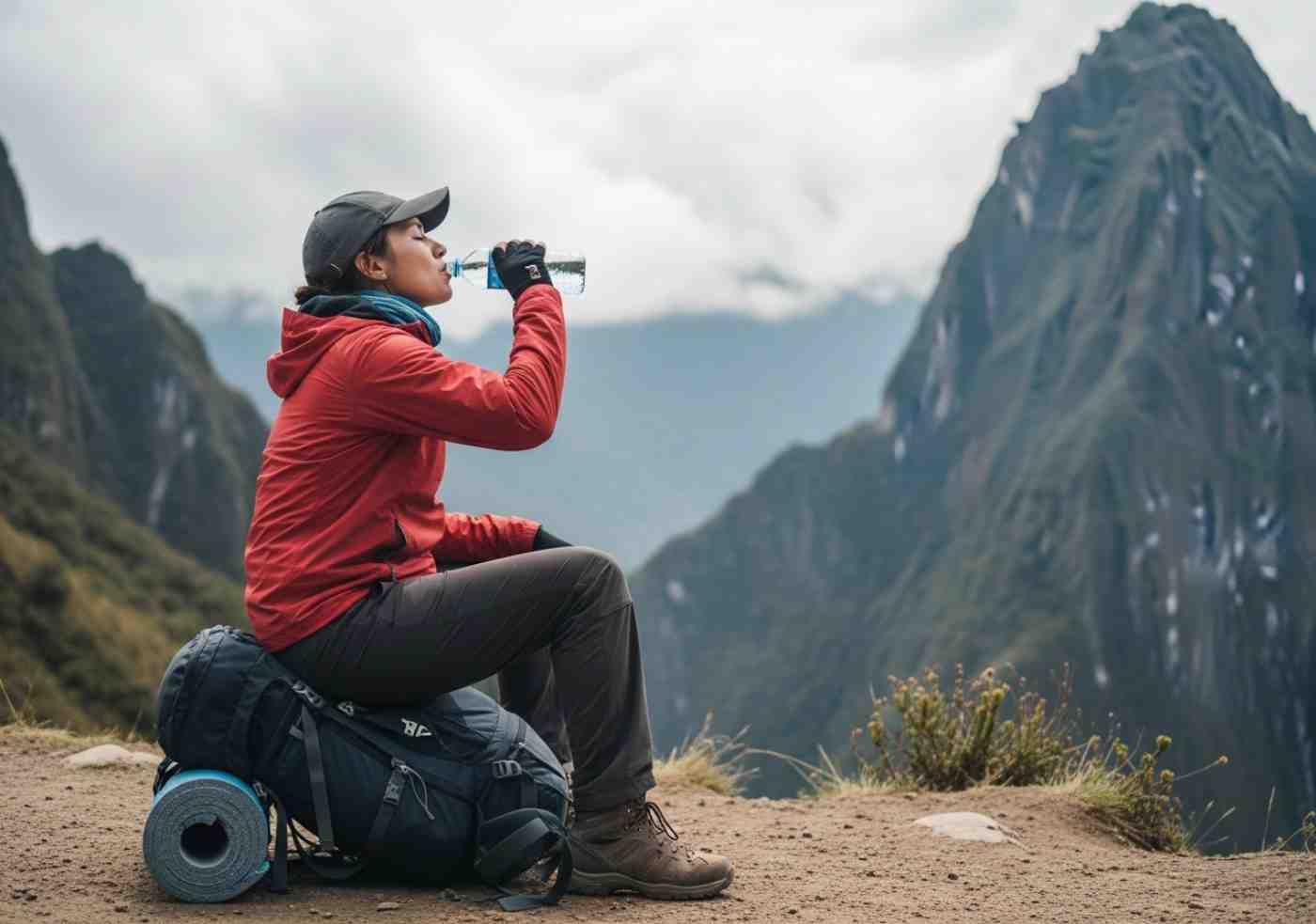
The smartest altitude strategy is simple: land in Cusco, rest for your first afternoon, drink 3 to 4 liters of water daily, avoid alcohol and heavy grease, and take easy acclimatization walks through the city before setting out for Soraypampa camp.
Comparison of Common Altitude Remedies
| Remedy / Method | Mechanism of Action | Clinical Efficacy for Hypoxia |
|---|---|---|
| Coca Tea (Mate de Coca) | Mild vasoconstrictor & stimulant; eases nausea. | Symptomatic relief • No change in blood SpO2. |
| Commercial Sorojchi Pills | Aspirin + Acetaminophen + Caffeine. | Analgesic for headaches • Does not prevent HAPE/HACE. |
| Acetazolamide (Diamox) | Carbonic anhydrase inhibitor; stimulates ventilation. | High • Clinically proven to accelerate acclimatization. |
| Hydration (3-4L/day) | Maintains blood volume in dry mountain air. | Essential • Prevents dehydration mimicking soroche. |
| 48h Cusco Rest | Natural physiological adaptation to 3,400 m. | Highest • The gold standard of mountain safety. |