📌 Difficulty Breakdown: Salkantay Trek Facts
- Overall Technical Grade: Challenging (Level 4 out of 5). No technical climbing, but sustained high-altitude exertion.
- Crux of the Trek: Day 2 ascent over the Salkantay Pass at 4,630 m (15,190 ft) followed by a 1,730 m descent.
- Campsite Cold Challenge: Night 1 at Soraypampa (3,900 m) reaches -5°C (23°F); requires cold-weather mental stamina.
- Daily Distance: Averages 13 to 16 km (8 to 10 miles) per day over rocky singletrack, loose moraine, and dirt trails.
- Success Rate: Over 96% with Inka Jungle Tour, supported by certified mountain guides, pacing, and emergency horses.
When assessing overland options to Machu Picchu, hikers inevitably ask: just how hard is the Salkantay Trek, and will my fitness be sufficient? While it is widely acknowledged as more physically demanding than the Classic Inca Trail or Inka Jungle, understanding the stage-by-stage terrain demands shows that with proper acclimatization and pacing, any active, determined hiker can complete the route with pride.
Day-by-Day Physical Demands Breakdown
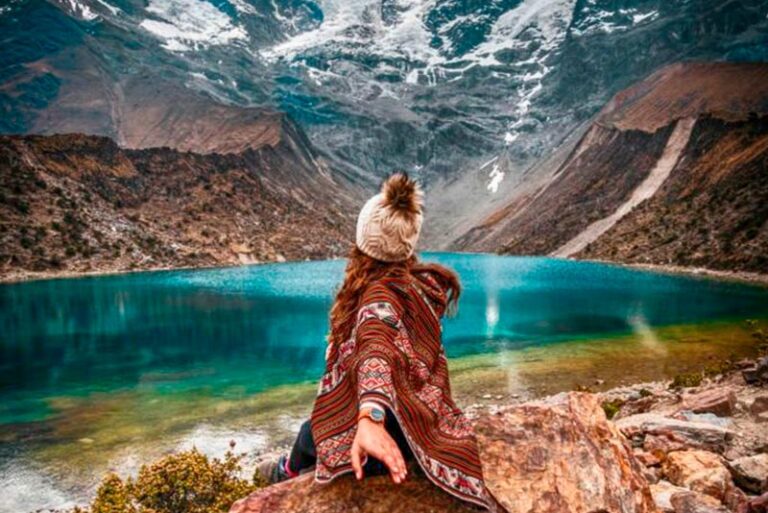
Day 1: Challacancha to Soraypampa & Humantay Lake (13 km): A moderate warm-up hike following an Inca aqueduct channel. The optional afternoon steep ascent to Humantay Lake (4,200 m / 13,779 ft) tests your lung response under steep gradient. Night cold at Soraypampa (-5°C) is the primary obstacle.
Day 2: The Salkantay Pass to Chaullay (22 km): The most demanding day. You climb 730 vertical meters up the switchbacks of the Siete Culebrillas to the summit at 4,630 m (15,190 ft), followed by an extensive 1,730-meter rocky downhill descent into the cloud forest. Trekking poles are essential to shield knee joints.

Day 3: Chaullay to Lucmabamba (15 km): A gentler, enjoyable hike through warm high jungle. The trail passes passion fruit, avocado, and coffee farms along the Santa Teresa river valley, finishing with a dip in Cocalmayo hot springs.
Day 4: Lucmabamba, Llactapata & Aguas Calientes (17 km): A rewarding 3-hour climb up an original Inca stone trail to the archaeological site of Llactapata (2,730 m), followed by a downhill descent to Hidroelectrica and a flat railway walk to Aguas Calientes.

Physical Requirements for a Successful Expedition
You do not need to be a marathon runner. What is essential is steady cardiovascular fitness—the ability to walk uphill for three hours with an elevated heart rate—and strong eccentric leg endurance to control steep descents. Consistent aerobic preparation (jogging, stair climbing, hiking) for 3 to 4 weeks prior to departure builds the requisite foundation.
Terrain and Difficulty Matrix by Stage
| Expedition Day | Distance & Elevation | Difficulty Rating & Crux |
|---|---|---|
| Day 1 (Soraypampa) | 13 km • 3,900 m • Humantay 4,200 m. | Moderate • High camp night frost (-5°C). |
| Day 2 (Salkantay Pass) | 22 km • 4,630 m pass • Descent to 2,900 m. | Challenging • 730 m climb; 1,730 m descent. |
| Day 3 (Cloud Forest) | 15 km • 2,900 m down to 2,050 m. | Easy-Moderate • Warm weather and river trails. |
| Day 4 (Llactapata) | 17 km • Climb to 2,730 m • Flat railway. | Moderate • Stone switchbacks & railway bed. |
| Day 5 (Machu Picchu) | Historical citadel circuits • 2,430 m. | Easy • 2.5-hour guided archaeological walking tour. |