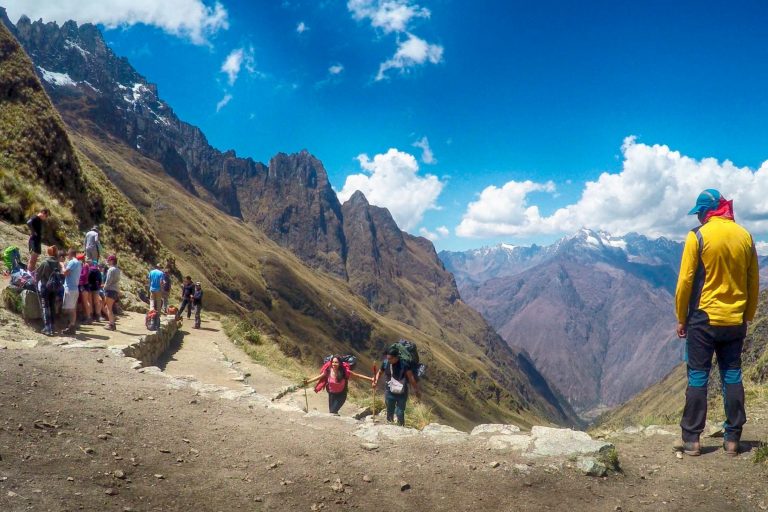
When organizing a mountain expedition like the Classic Inca Trail 4 Days, few logistical details cause more confusion for international travelers than tipping protocols: how much cash should you carry, how is it split among porters, cooks, and guides, and is it mandatory or voluntary? Addressing this custom with clear financial transparency ensures the field crew is fairly recognized for their heavy physical labor without creating awkward moments on the trail.
📌 Inca Trail Tipping Guidelines: USD Benchmark
- Recommended Total Budget: Between $40 and $60 USD total per hiker covering the entire 4-day support crew.
- Porter Communal Pool Contribution: 70 to 100 Peruvian Soles ($20 to $27 USD) per hiker presented on Night 3.
- Camp Chef & Kitchen Assistant: 30 to 50 Soles ($8 to $14 USD) per hiker acknowledging hot camp meals at altitude.
- Lead Mountain Guide: $15 to $25 USD per hiker handed directly at the conclusion in Machu Picchu / Aguas Calientes.
- Preferred Currency: Crisp, clean Peruvian Soles in small denominations (10, 20, and 50 Sol notes) without tears or marks.
The Group Pool Protocol on Night 3 at Wiñay Wayna
Tipping on the Inca Trail is not handled by handing out loose coins at every rest stop. Instead, it follows an organized group protocol during the final night of camping at Wiñay Wayna (2,650 m / 8,694 ft). After dinner, the hikers in the group collect their porter tips into a communal envelope.
In front of the entire crew, the group designates a representative to hand the envelope to the head porter (porteador mayor). The head porter then distributes the cash evenly among all the porters. This collective system ensures that porters carrying heavier camp kitchen gear, portable toilets, and structural tents receive the exact same reward as those carrying passenger duffel bags.

Tips Never Substitute for Fair Living Wages
In informal travel operations, unethical agencies underpay field workers with the excuse that “tourist tips will make up the difference.” At Inka Jungle Tour, we reject that exploitative approach. All our porters, cooks, and trail assistants receive guaranteed wages above the legal minimum mandated by Peru’s Porter Protection Law (Law No. 31614), along with comprehensive health insurance and weight-monitored packs (maximum 20 kg strictly enforced at checkpoints).
Under this ethical standard, tipping is never a wage subsidy. It is an authentic, voluntary token of appreciation for hardworking individuals who carry heavy equipment over 4,200-meter mountain passes, set up camps before you arrive, and greet you with warm tea and a smile.
Suggested Tipping Breakdown per Hiker
| Support Crew Role | Suggested Amount & Handover Method |
|---|---|
| Porter Crew (Group Pool) | $20 to $27 USD (70 to 100 PEN) per hiker • Handed on Night 3 at Wiñay Wayna. |
| Camp Chef & Kitchen Assistant | $10 to $15 USD (35 to 55 PEN) per hiker • For culinary effort at altitude. |
| Lead Certified Mountain Guide | $15 to $25 USD per hiker • Direct handover in Aguas Calientes / Machu Picchu. |
| Personal Porter (If hired) | $15 to $20 USD additional • Direct personal handover for dedicated pack care. |
The Thank-You Ceremony at Wiñay Wayna
The third evening at Wiñay Wayna is often the most memorable night of the entire trek. The camp cook frequently bakes and decorates a cake on a camp stove as a farewell celebration, because on the morning of Day 4, the porters must hike down early to the train station with all the camping gear while hikers head to the Sun Gate.
One by one, the porters share their names and home villages in the Sacred Valley or Paucartambo, speaking in Quechua or Spanish. Handshakes, genuine words of gratitude, and mutual applause bridge cultural backgrounds, proving that beyond monetary amounts, the Inca Trail is about shared human connection and mutual respect.
Cash Preparation and Practical Advice
Carrying clean Peruvian Soles in small bills (10, 20, and 50 notes) is essential. There are no ATMs or card terminals along the trail. Exchange currency in Cusco before leaving to make sure you have the right denominations.
Keep your cash sealed in a waterproof zip-lock bag inside your 20 to 30 liter daypack. Avoid notes that are torn, taped, or heavily creased, as local rural banks and merchants frequently reject imperfect paper currency. When organizing the tip pool with your hiking group, elect one person before dinner to count the pool and confirm the total, keeping the process smooth and transparent for everyone involved.