We live in a time when the word “empire” is often associated with corruption and decay. Yet, when we think of the Incas, the perception often shifts. Spanish chronicles frequently portrayed them as a people of high morality, who abhorred homosexuality. But was that the whole story?
📌 Historiographical Brief: Society & Inca Social Structure
- Imperial Context: Centralized Inca administrative governance headquartered in Cusco (3,399 m / 11,151 ft) across the 15th and 16th centuries.
- Institution of the Pampairuna: Women assigned by imperial decree to peripheral garrisons to maintain social stability among state troops and relocated mitimae communities.
- Historical Chronicles: Documented in early colonial chronicles by Pedro Cieza de León and Felipe Guamán Poma de Ayala.
- Cosmovisión Andina: Pragmática de equilibrio social frente a la moral dogmática impuesta tras la conquista virreinal.
- Ruta de Contexto Histórico: Exploraciones en el Valle Sagrado de los Incas y centros arqueológicos cusqueños.
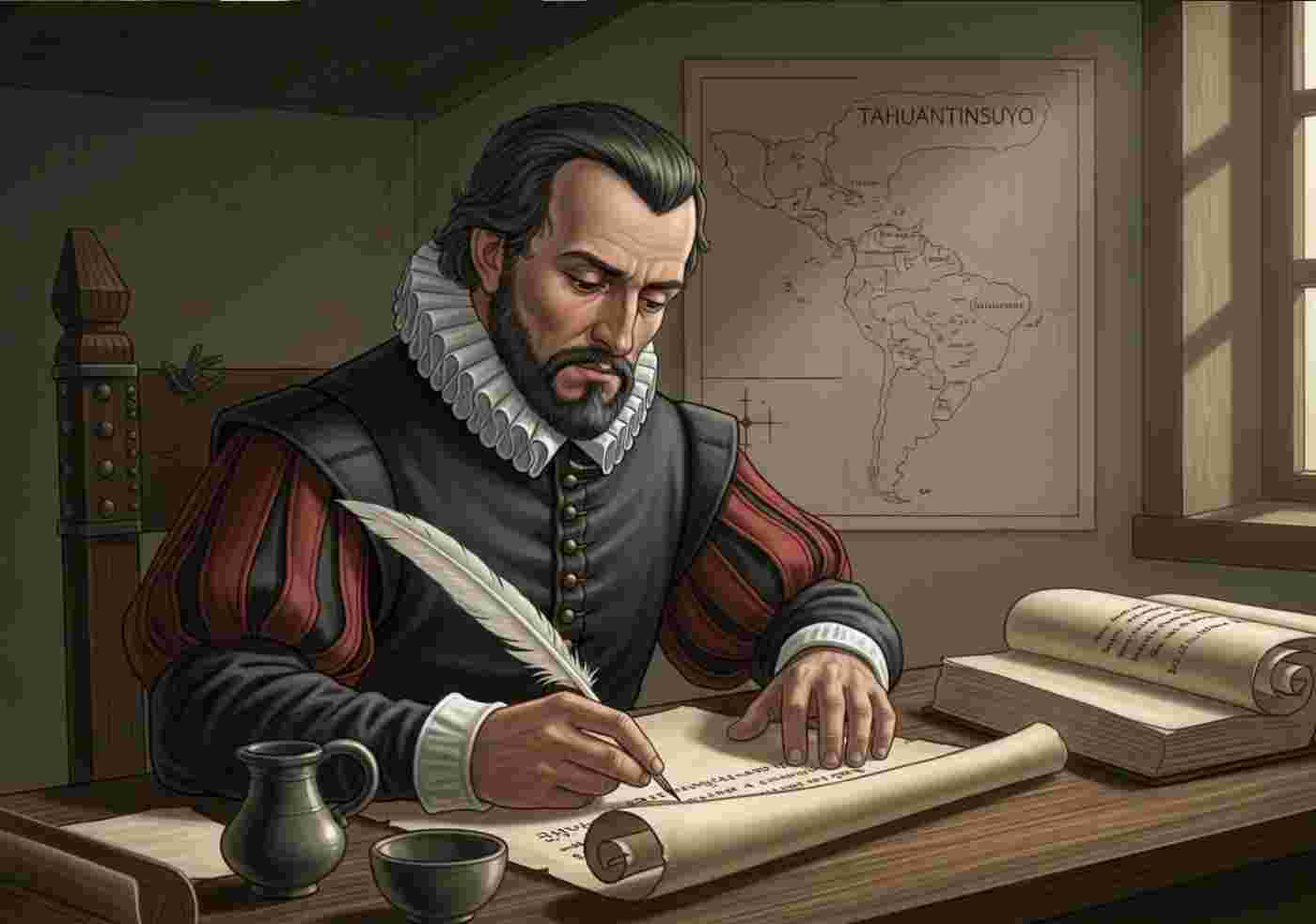
The official history of the Tahuantinsuyo, the Inca Empire, has largely reached us through the chronicles of the Spanish conquistadors. Men like Pedro Cieza de León, in his “Chronicle of Peru,” depicted the Incas as a virtuous people who severely punished what he called the “unspeakable sin” of sodomy. In his account, the Incas were a model of purity, a stark contrast to other civilizations of the time. However, what happens when we look closer at these very texts and uncover details that contradict the main narrative?
Martín de Murúa, another chronicler, corroborated the existence of severe punishments, such as being burned at the stake for those who practiced homosexuality. Nevertheless, the same chronicles that painted this picture of moral rigor also revealed a secret and contradictory side of the Inca elite. Despite the public condemnation, homosexuality existed within the circles of power, protected by a moral duality that allowed what was forbidden to the common people. The key to this mystery lies in a little-known figure: the pampairuna. This Quechua term, translated by the Spaniards as “men of the plain” or “public men,” referred to a specific class of individuals, often androgynous youths, who were selected from childhood to serve in the temples. These young men, who dressed like women, were intended to satisfy the sexual needs of the Inca nobility and priests.
The Yanacuna Pampairuna: Sacred Servants at the Heart of the Empire
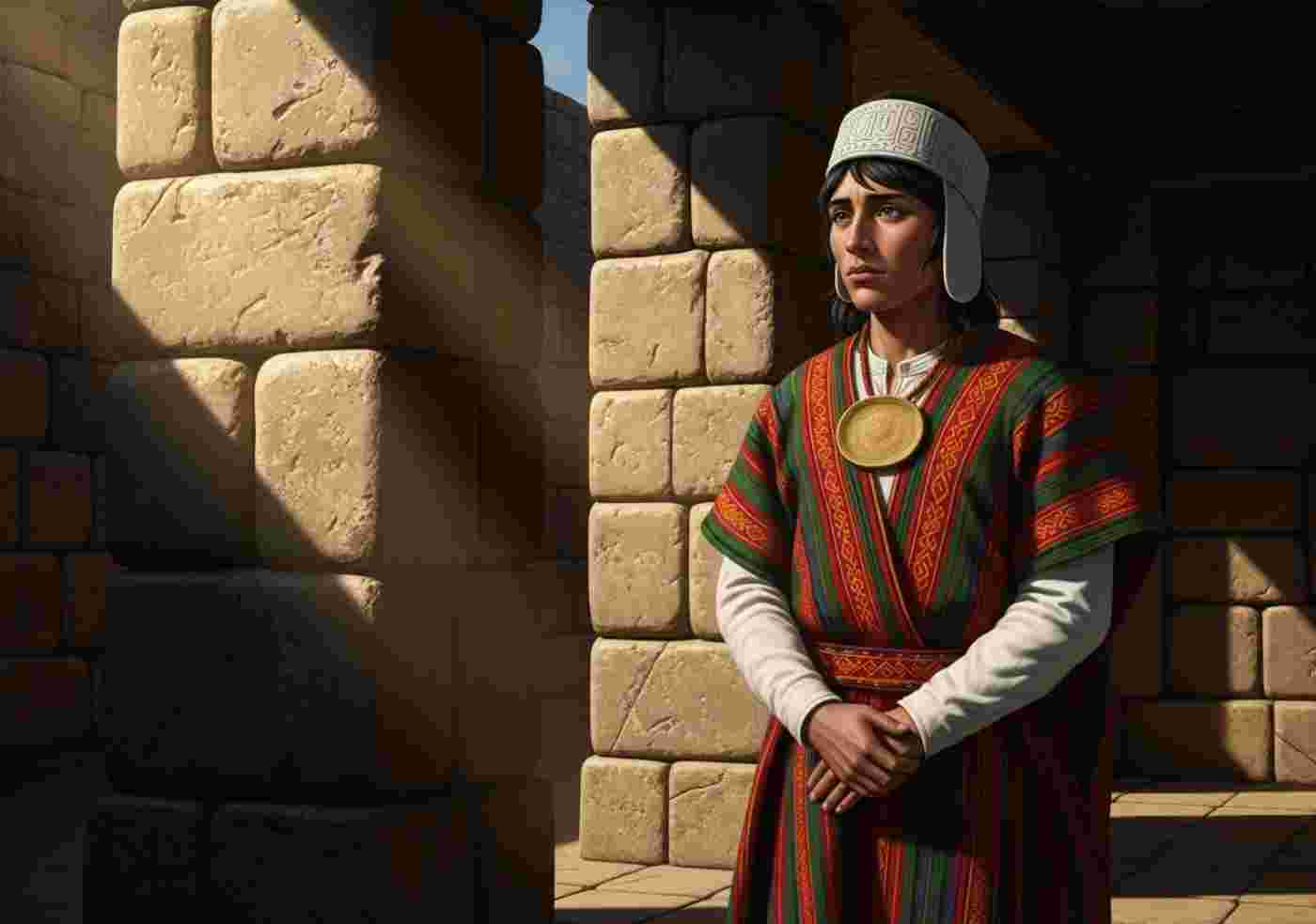
The status of the pampairuna was unique and surprisingly privileged. Unlike female prostitution, which was scorned, the pampairuna enjoyed special protection and were considered “special yanacona,” servants dedicated to the state or the cult of the sun. They were the male equivalent of the Acllas, the “Virgins of the Sun,” who were recruited to weave and serve the Inca and the sun god. Like the Acllas, the pampairuna received sustenance, instruction, and luxurious clothing. Their tunics were woven with the precious cumbi, the finest cloth reserved for the nobility. The Dominican Friar Domingo de Santo Tomás informed Cieza de León about the existence of temples where “men who from childhood were forced to dress as women and were penetrated on sacred occasions by lords and nobles.”
The pampairuna were not an exception to the Inca laws but rather part of a dual system where public norms did not apply to the elite. They were living symbols of the hypocrisy that existed in the Tahuantinsuyo. The indigenous chronicler Juan Santa Cruz Pachacuti Yamqui Salcamaygua went further, describing in his work how these young men were raised specifically for prostitution, receiving even better payments than female prostitutes. He spoke of cases where Inca nobles, such as the Mochica king Siequich, acquired large numbers of young men from Cusco for their personal enjoyment, and even the legend of a nobleman who rented an entire temple to have a pampairuna exclusively for himself. It is fascinating to think about the contrast of this story with the commonly accepted view of the Sacred Valley of the Incas, a place we often only see through the majesty of its temples and ruins, without delving into the human complexities of its inhabitants. This valley, the heart of the empire, was not only the center of its power but also the setting for its deepest secrets.
Humanity in its Walls: Beyond the Myth of the “Inca Superman”
This moral duality was not exclusive to the Incas. Throughout history, many empires have shown the same dichotomy between the laws imposed on the populace and the vices practiced by their rulers. The 17th-century French nobility organized secret orgies in Versailles while the common people were punished for minor offenses. The Inca Empire, despite its achievements and apparent order, was not exempt from human nature. As the Inca Garcilaso de la Vega noted, the Incas allowed conquered peoples to keep their customs “that were not against natural law” and punished “sodomites” in certain places. But the evidence of the pampairuna shows us that this law, in the circles of power, could be interpreted very flexibly.
- Hypocrisy in the elite: The case of the pampairuna demonstrates that the severe moral laws of the Tahuantinsuyo were primarily for the social control of the population, not for the nobility.
- The dichotomy of the chroniclers: The very texts that condemned homosexuality also contain the clues to its clandestine and protected practice.
- The humanity behind the myth: The “Inca superman” idealized by chroniclers and modern history is demystified by the evidence of very human passions and contradictions.
The Incas tried to impose a rigid moral system through political power. However, history teaches us that penalties and political rigor cannot change human nature—an inclination to error that, like in any other empire, also dwelled in the hearts of their leaders. In the end, the chronicles do not show us an empire of morally superior supermen, but a people of human beings with the same imperfections, struggles, and contradictions we find today. Behind the stone temples and rigorous laws, secrets were hidden that demonstrate the complexity of the human heart, a heart that needs a deeper transformation than any law can offer.
If this look at history has intrigued you, there is much more to discover about the forgotten corners of the past. message us on WhatsApp for a no-obligation chat.