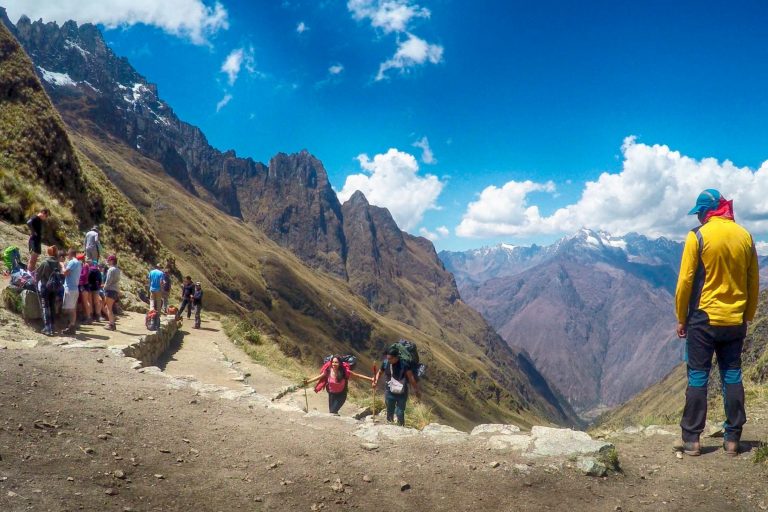
The Classic Inca Trail 4 Days carries an aura of mystery and physical challenge that frequently spawns exaggerated claims on social media and travel discussion boards. From forum posts insisting you need marathon endurance to grim warnings that crossing Dead Woman’s Pass (Warmiwañusqa) at 4,215 m (13,828 ft) is a hazardous gamble, these misconceptions deter many capable hikers. Breaking down the actual physical realities of the route helps you plan with confidence and clarity.
📌 Trail Realities: 7 Classic Inca Trail Myths
- Myth 1 (Athletes Only): False. The expedition moves at a deliberate, measured pace suitable for active adults of various fitness backgrounds.
- Myth 2 (Dead Woman’s Pass Is Dangerous): False. The stone stairway is wide and stable; you ascend in 4 to 5 hours with scheduled rest stops.
- Myth 3 (Altitude Sickness Is Unavoidable): False. Spending two acclimatization days in Cusco at 3,400 m (11,155 ft) prepares your body effectively.
- Myth 4 (Canned Rations at Camp): False. Andean expedition chefs prepare three-course hot meals using fresh regional produce.
- Myth 5 (Independent Hiking Is Allowed): False. Peruvian regulations strictly ban solo hiking; every hiker must travel with a licensed agency and certified guide.
Debunking the Seven Myths with Practical Trail Facts
Here is what experienced mountain guides see on the ground every week:
Myth 1: “You need elite athletic conditioning.” The Inca Trail is a hike, not an endurance race. The 43 km (26.7 miles) unfold over four full days, averaging 10 to 12 km per day spread across 5 to 7 walking hours. Anyone who walks regularly, hikes recreational trails on weekends, or logs consistent cardio can finish comfortably with trekking poles.
Myth 2: “Dead Woman’s Pass triggers frequent medical rescues.” Warmiwañusqa stands at 4,215 m (13,828 ft) and demands respect, but it presents no technical mountaineering exposure when tackled with the classic Andean rhythm: deep diaphragmatic breathing, short steady strides, and brief standing rests to keep leg muscles warm. Hikers in their sixties and seventies cross this pass successfully every week.

Myth 3: “Camp meals are cold, scarce, and processed.” One of the most pleasant surprises for international travelers is the culinary standard produced by Andean camp chefs. Deep in the mountains, you sit down to pan-seared trout, hot quinoa and vegetable soups, lomo saltado, golden pancakes for breakfast, and fresh fruit desserts prepared on portable two-burner camp stoves.
Myth 4: “Night temperatures inside tents are unbearable.” While camps at Wayllabamba and Pacaymayo can drop near freezing (0°C / 32°F), using quality four-season sleeping bags rated to -10°C (14°F) paired with thick inflatable insulated sleeping pads ensures warm, restorative sleep every night.
Myth vs Reality on the Inca Trail
| Common Myth | Field Reality on the Trail |
|---|---|
| Olympic Fitness Required | Manageable for active walkers • Steady, guided pace in small groups (8-12 people). |
| Dead Woman’s Pass Is Treacherous | Wide, historic stone path • Continuous 4-to-5-hour ascent broken into paced intervals. |
| Severe Altitude Sickness Guaranteed | Prevented with 48 hours of acclimatization in Cusco and steady hydration. |
| Poor Food Quality | Fresh 3-course hot meals cooked daily by dedicated expedition cooks. |
| Solo DIY Trekking Permitted | 100% prohibited by SERNANP • Authorized tour operator and licensed guide mandatory. |
The Acclimatization Window in Cusco
The single most decisive factor on the Inca Trail is proper acclimatization. Flying straight into Cusco at 3,400 m (11,155 ft) and beginning the hike the next morning is the most common mistake travelers make. Spend at least two full days in Cusco or the Sacred Valley (2,800 m / 9,186 ft) before Day 1. Take light walks, drink plenty of water, and avoid heavy alcohol and greasy dinners to let your red blood cell count adjust to Andean air pressure.
Medical Safety and Oxygen Protocols on the Trail
On every group departure, our lead guide carries a certified wilderness medical kit, a digital fingertip pulse oximeter, and a pressurized medical oxygen tank. That backup protocol gives hikers peace of mind, knowing that if acute mountain sickness or breathing difficulties arise, trained personnel can provide immediate support.
Keeping group sizes capped at 8 to 12 hikers allows guides to monitor each traveler’s pacing and physical state throughout steep climbs. Drinking 2 to 3 liters of water daily, taking electrolyte supplements, and maintaining short, rhythmic steps turn what feels like an intimidating mountain obstacle into a rewarding journey.