For months or even years, your mental energy, gym sessions, and travel anticipation centered on one iconic moment: watching the morning mist clear over the stone terraces of Machu Picchu (2,430 m / 7,972 ft) after days of mountain trekking on the Salkantay Trek or the Inka Jungle Tour. Yet on the morning after returning to Cusco, many professionals wake up with an unexpected feeling of disorientation and emotional flatness. In mountain expedition psychology, this is known as the Day 5 phenomenon.
📌 Post-Expedition Recovery Guide: Day 5 in Cusco
- Physiological Crash: Rapid drop in cortisol, adrenaline, and endorphins after hiking 45 to 70 km (28 to 43.5 miles) through altitude and mountain passes.
- Altitude Readjustment: Transitioning back from Aguas Calientes (2,040 m / 6,692 ft) up to Cusco city (3,399 m / 11,151 ft).
- Pacing Advice: Keep one unhurried recovery day in Cusco with zero rigid sightseeing schedules before taking international return flights.
- Restorative Activities: Specialty single-origin coffee in San Blas, deep-tissue Andean herbal massages, and quiet travel journaling.
- Gentle Transition Tours: Unhurried cultural day outings like the Sacred Valley Classic or Maras-Moray.
The Biology Behind the Post-Trek Adrenaline Drop
Understanding the neurochemical basis of your low mood takes away frustration and guilt.
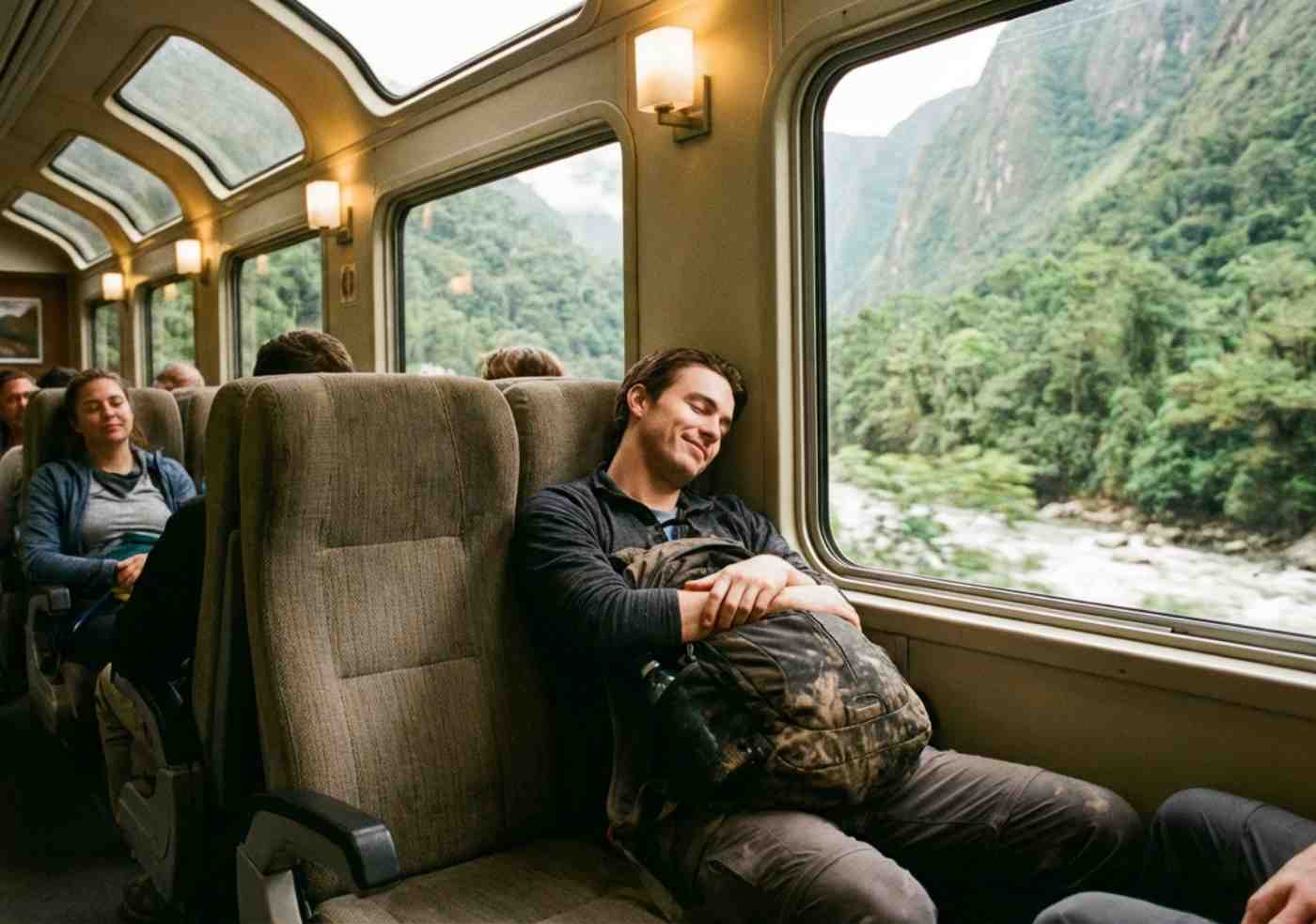
For four or five consecutive days, your central nervous system operated in a state of heightened arousal: you wheeled down mountain switchbacks at 4,300 m (14,107 ft), navigated raging river rapids, pushed through sub-freezing mountain passes, and shared dinner with fellow adventurers under canopy stars. Your brain produced high levels of dopamine, adrenaline, and serotonin. When you wake up back in a quiet hotel room in Cusco with the goal achieved and work emails pinging on your phone, brain chemistry rebalances abruptly. The body interprets that sudden drop in stimulation as fatigue, restlessness, or mild sadness.
This drop is a natural biological reaction to intense exertion and profound visual experiences. It does not mean the journey is over; it simply means your body is asking for downtime to process the physical effort and the scale of the landscapes you just crossed.
Practical Habits to Integrate the Journey Before Flying Home
The real value of an Andean expedition is not checking off a photo; it is bringing a sense of grounded resilience back to your regular work life.
To avoid jarring culture shock when returning to the office, build these habits into your final 48 hours in Cusco:
- A Morning of Unscheduled Wandering: Walk through the cobblestone alleys of San Blas and Santa Ana with nowhere specific to be. Sit on a wooden balcony overlooking the red terracotta roofs of Cusco with a warm tea.
- Write in Your Trail Journal: Record specific moments from the tough sections of the route: what ran through your mind when your legs were burning, what conversations you had with your guide, and what unnecessary mental baggage you realized you carry every day.
- Nourishing Warm Meals: Swap quick pizza slices for hot bowls of traditional Andean soup: quinoa, sweet corn, vegetables, and digestive herbs like muña and lemongrass.
- Conversation with Local Artisans: Spend time talking with woodcarvers and textile weavers in San Blas about natural dyes and alpaca fibers. Connecting with deliberate craftsmanship is an effective antidote to digital burnout.
A deep-tissue massage using Andean eucalyptus and arnica oils relieves accumulated tension in calves, hamstrings, and lower back after 50+ kilometers of trekking.
Sample award-winning coffee from Quillabamba and Maranura roasted in small artisan batches while you review and organize your personal photos and trail notes.
The Trail Stays with You
Trekking to Machu Picchu is a blueprint for personal resilience that outlasts your trip.
When you return to spreadsheets, boardrooms, and complex project deadlines in New York, London, Toronto, or Sydney, you will remember that you crossed freezing Andean passes at 4,630 m (15,190 ft) by maintaining a steady breath and taking one measured step at a time. You learned that exhausting stretches are conquered by focusing on the immediate meter of trail in front of you. That inner steadiness does not vanish when you untie your hiking boots; it reshapes how you handle pressure and uncertainty in daily life.
Before packing your bags for the airport, take one last evening stroll through the illuminated Plaza de Armas in Cusco. Take a deep breath of the crisp night air, acknowledge the effort you put in, and recognize your ability to push through boundaries you once considered daunting.
✨ Perspective from Andean Mountain Guides:
“We do not climb mountains so the world can see us; we climb to see the world with greater humility and clarity. Finishing the trail is not an ending, but the beginning of your next inner milestone.”