📌 Operator Standards: Quality vs Budget Risks on Salkantay
- Freezing Night Survival: Soraypampa camp drops to -5°C (23°F); cheap tours provide thin summer sleeping bags causing hypothermia.
- Tents & Mat Insulation: Quality operators use 4-season double-wall Eureka/Doite tents with closed-cell inflatable thermal sleeping pads.
- Emergency Preparedness: Guaranteed portable oxygen tank, satellite comms, and emergency riding horse on Day 2.
- Nutritional Fuel: Balanced hot meals with 3,500+ daily calories of fresh produce, avoiding street agency carb-only starvation diets.
- Ethical Support Staff: Fair wages, warm sleeping gear, and strict load limits for mountain horsemen and cooks.
When walking the streets around Cusco’s Plaza de Armas, flyers advertising the Salkantay Trek for $180 or $200 USD are everywhere. For budget travelers, these prices seem tempting. However, understanding high-altitude mountain physics reveals the severe compromises behind low-cost operators: substandard mountain gear, unaccredited guides, food safety hazards, and zero medical safety nets at 4,630 m (15,190 ft).
The Freezing Cold at Soraypampa (-5°C) and Sleeping Gear Reality
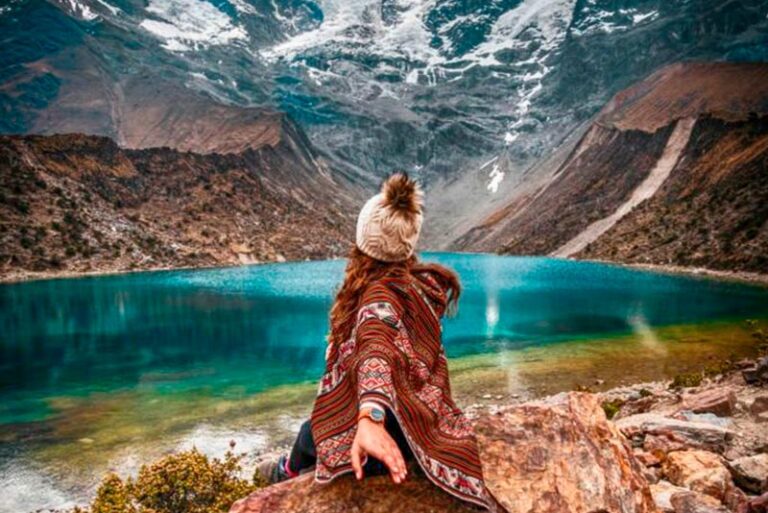
The first night on the Salkantay Trek takes place at Soraypampa camp at 3,900 m (12,795 ft), nestled between the glacial moraines of Mount Humantay and Salkantay. As soon as the sun dips behind the ridge, temperatures plunge below freezing, frequently reaching -5°C (23°F).
Budget agencies cut costs by using thin single-wall summer tents that develop condensation inside, paired with compressed foam mats that transmit the frozen ground directly into your spine. Waking up shivering at 2:00 AM with mild hypothermia ruins your physical stamina before the demanding ascent of Day 2.

| Operational Factor | Budget Street Agency vs. Licensed Direct Operator |
|---|---|
| Campamentos en Altura | Equipo de campamento básico vs. carpas de alta montaña con colchonetas aislantes. |
| Oxígeno de Emergencia | Inexistente o balón vacío vs. oxígeno médico revisado y caballo de auxilio. |
| Calidad del Guiado | Personal sin licencia vs. guías oficiales colegiados bilingües con certificación WFR. |
| Alimentación en Ruta | Comida básica y riesgo bacteriano vs. menú nutritivo balanceado por cocineros profesionales. |
Emergency Protocols on the Salkantay Pass at 4,630 Meters
At 4,630 m (15,190 ft), acute mountain sickness (soroche) can escalate rapidly into pulmonary or cerebral edema if ignored. Low-cost operators routinely fail to carry medical oxygen tanks—which are heavy and costly to transport on pack horses—or carry empty cylinders as visual props.
On every Salkantay Trek operated by Inka Jungle Tour, our guides carry functional medical oxygen, digital pulse oximeters for twice-daily monitoring, and a designated emergency horse shadowing the climbing party up the switchbacks of the Siete Culebrillas.
High-Altitude Food Safety and Caloric Nutrition
Trekking six to eight hours a day in alpine cold burns between 3,500 and 4,500 calories daily. Low-cost agencies frequently serve repetitive, nutritionally poor meals dominated by cheap white rice, processed noodles, and sugary tea, leaving hikers depleted of glycogen.
Our expedition cooks prepare hot, balanced three-course meals three times a day: vegetable and quinoa soups, lean meats, fresh vegetables, fresh fruit snacks, and herbal infusions, all washed and prepared using purified boiled water to prevent gastrointestinal infections on trail.

Fair Compensation and Mountain Staff Welfare
Rock-bottom tour prices are invariably subsidized on the backs of local horsemen, cooks, and porters. Informal brokers pay horsemen exploitative wages, overload pack horses beyond legal limits, and provide no sleeping gear for support staff, who are forced to sleep on the ground under kitchen tarps.
By booking directly with Inka Jungle Tour (licensed local operator), you ensure that your investment supports fair living wages, warm bedding, and strict load limits for pack horses, upholding regenerative and ethical tourism standards in the Andes.