Best Time to Visit Manu National Park: Weather & Wildlife Seasons %currentyear%
The climate of Manu National Park is shaped by the transition between the steep eastern slopes of the Andes and the lowland Amazon basin. The region experiences warm, tropical weather year-round, divided into two distinct seasonal patterns.
Dry Season vs. Rainy Season in the Rainforest
Season
Months
Weather Characteristics
Wildlife Spotting Reliability
Dry Season (Recommended)
May – October
Lower rainfall, manageable mud on forest trails, clear overland roads. Day temps: 28–32°C.
Excellent. Lower river levels expose clay licks; animals gather near riverbanks to drink.
Rainy Season
November – April
Frequent heavy afternoon and night downpours, swollen rivers, landslides on mountain roads.
Between May and August, polar cold fronts originating from Patagonia occasionally surge north across the South American continent into the southern Peruvian Amazon. Known locally as a Friaje, these weather events drop temperatures rapidly from 32°C down to 10°C – 14°C (50–57°F) for 2 to 3 days, accompanied by cool southern drizzles. Pack a light fleece and windbreaker jacket even when traveling during the warmest dry-season months.
Amazon Rainforest Biodiversity Sanctuary
Explore the Pristine Wilderness of Manu National Park
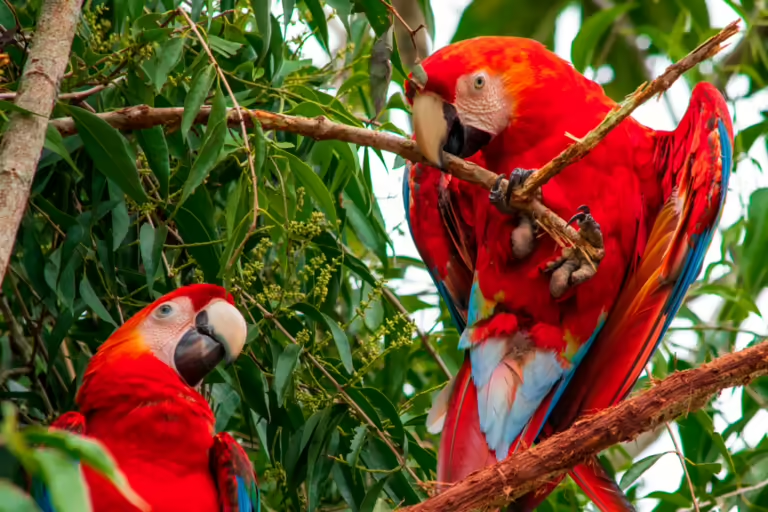
Descend from high Andean cloud forests to lowland Amazonian riverways. Spot cock-of-the-rock leks, giant river otters, caimans, and colorful macaw clay licks.