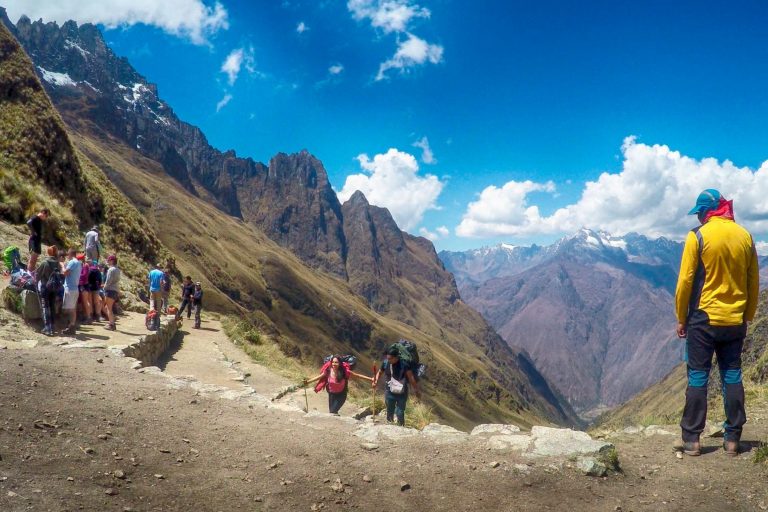
The optimal window to hike the Classic Inca Trail spans the dry Andean winter from May through September. During these months, meteorological stability across Cusco significantly minimizes landslide risks and guarantees crisp panoramic views for photography.
Planning the timing of an Inca Trail expedition requires looking beyond generic weather forecasts. Andean weather in the Cusco region is governed by two pronounced cycles that directly affect stone staircase traction and visibility across the high passes. While conditions in Cusco city may feel mild at 3,400 meters, crossing a mountain pass at 4,215 meters (13,828 feet) exposes hikers to alpine weather extremes.
Crucial Regulatory Note:
The Inca Trail is mandatorily closed for the entire month of February by SERNANP and the Ministry of Culture for conservation, ecological recovery, and trail maintenance during peak rain. Machu Picchu citadel itself remains open via train during February, but the hiking trail is closed.
This is the primary window for visual grandeur on the Inca Trail. Intense equatorial sunshine illuminates the trail by day, while dry mountain air accelerates sweat evaporation and keeps the stone staircases dry and firm.
Contrary to popular belief, it does not rain continuously. Showers typically arrive in concentrated afternoon downpours. However, persistent rain coats the ancient Inca stone paving in moss and moisture, making downhill stair sections slick and demanding careful pole placement.
If you travel between December and March, consider selecting the Short Inca Trail 2 Days. It cuts out multi-night backcountry camping in wet soil while preserving the classic hike to the Sun Gate, paired with comfortable hotel lodging in Aguas Calientes.
April and October serve as the sweet spot for experienced hikers. In April, the mountain valleys are deep green following summer rains, and wild orchids bloom profusely in the cloud forest. October brings milder evening temperatures before the winter frost sets in. Both months see lighter foot traffic compared to the mid-year peak.
| Season | Months | Key Benefits | Main Challenges |
|---|---|---|---|
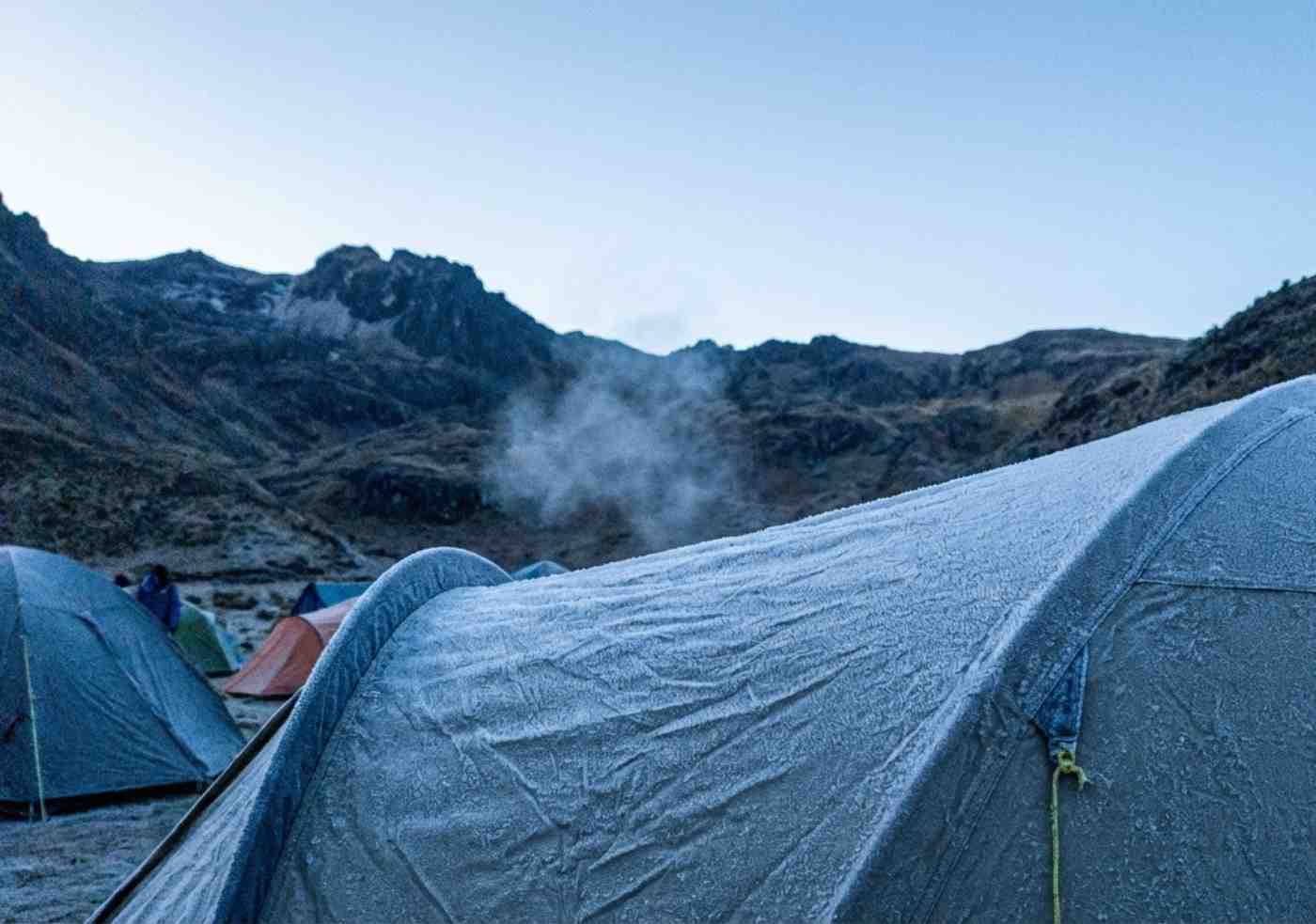
| Peak Dry | May – August | Clear skies, dry stones, panoramic photography | Freezing nights (0°C), permits sell out 6 months ahead |
| Shoulder | April & October | Lush green flora, fewer crowds, pleasant temps | Occasional scattered afternoon rain showers |
| Rainy | Nov – Jan, March | Solitude, warmer nights, misty cloud forest vistas | Slippery stone stairs, heavy rain ponchos required |
| Closure | February | N/A (Closed by SERNANP conservation regulation) | Trail closed completely for conservation work |
Safety & Weather Equipment Standard:
Regardless of the departure month, Inka Jungle Tour equips every team with satellite communication radios, medical oxygen cylinders, and high-spec four-season expedition tents built to withstand alpine gusts and torrential rains.
Selecting your travel date accounts for 50% of your trek’s success. If panoramic visibility and dry mountain passes are your priority, target June through August. If you prefer uncrowded trails and flourishing cloud forest vegetation, April or October is your ideal window. Check our Inca Trail permits guide to secure your dates before quota caps are reached.
📅 Book your Classic Inca Trail 4-Day expedition here.
Ready to plan your season? Explore dates and availability for the Classic Inca Trail 4 Days with licensed local guides.