You look through the photos on your phone. You see yourself smiling in front of Machu Picchu with clean lighting and the right camera angle. It looks like the image of a “perfect trip” to Peru.
📌 Expedition Mindset: Mountain Resilience in the Andes
- Challenge Altitudes: From 3,399 m (11,151 ft) in Cusco up to high-altitude passes above 4,300 m (14,107 ft).
- Trail Distances: Mountain journeys covering 50 km to 65 km (31 to 40.4 miles) where topography demands mental flexibility and physical stamina.
- Travel Philosophy: Moving beyond staged social media photos to build real human connections with rural Andean families.
- Safety Assurance: Direct licensed local operator with support vehicles, WFR-certified wilderness guides, and route radios.
- Recommended Treks: Logistically supported routes like the Inka Jungle Premium 4D and Salkantay Trek 4 Days.
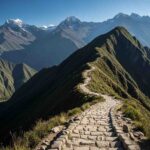
Yet something feels incomplete. The image is clean and bright, but it fails to capture the true weight of the experience. It does not show the sweat on your brow during the steep ascent, your heavy breathing in the thin mountain air, or the strange mix of exhaustion and joy that carried your legs up those stone steps. It misses the impromptu conversation you had with a fellow traveler while waiting in line—a warm human moment that stayed with you far longer than the view itself.
Modern travel culture has fallen into an unspoken trap: the myth of the perfect trip. There is relentless pressure to produce a flawless vacation, a smooth and reliable itinerary, and social media stories that match polished digital feeds. A vacation where everything unfolds “exactly as planned.”
Here is a quiet truth from our side of the cordillera: journeys where everything proceeds entirely according to script are usually the easiest to forget.
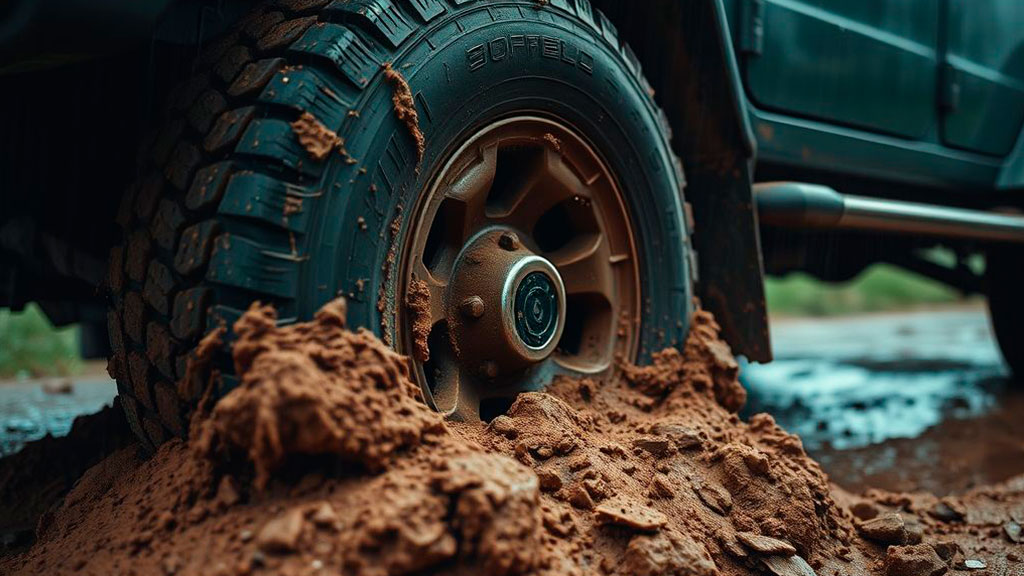
The Day Mud Saved Us from the “Perfect Trip”
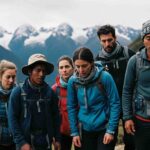
A few seasons ago, we guided a small group—an architect from Chicago, his attorney wife, and their two teenage children—through a remote section of the Lares Valley. The schedule was tidy: arrive at the campsite by late afternoon, enjoy a hot three-course meal, and watch the stars over a crackling fire.
The Andes had a different plan.
An afternoon downpour turned a stretch of mountain dirt road into heavy, sticky mud. Our sturdy 4×4 vehicle slipped and settled down to the axles. We were well and truly stuck, far from any quick mechanical recovery truck.
The Laughter That Broke the Illusion of Control
The tidy plan dissolved, and the initial tension was thick. You could feel the anxiety inside the vehicle. The attorney checked her wristwatch, likely calculating hours of delay, while the teenagers looked bewildered before leaning back to pass the time on their phones.
Then our lead guide, Mateo, did something unexpected. He began to laugh. It was a genuine, booming laugh that caught everyone off guard. He stepped directly out into the rain, sank into the mud past his shins, and called out: “Well, looks like the mountain wants us to stay right here a little longer.”
Something shifted in that moment. The illusion of complete control snapped, and with it went the collective anxiety. The architect stepped out of the vehicle, followed by his wife. We grabbed flat river stones and wooden branches, attempting to wedge them under the tires. We pushed, slipped, and failed repeatedly, ending up spattered in mud from head to toe, laughing at the sheer absurdity of the effort.
Minutes later, a local Quechua farmer and his two young sons walked down the hillside, smiling quietly at our disorganized attempts. They spoke very little Spanish, and our team spoke basic Quechua. But the language of getting a heavy truck out of a mud rut requires no translation.
The Universal Language of Solidarity (and Colorful Native Potatoes)
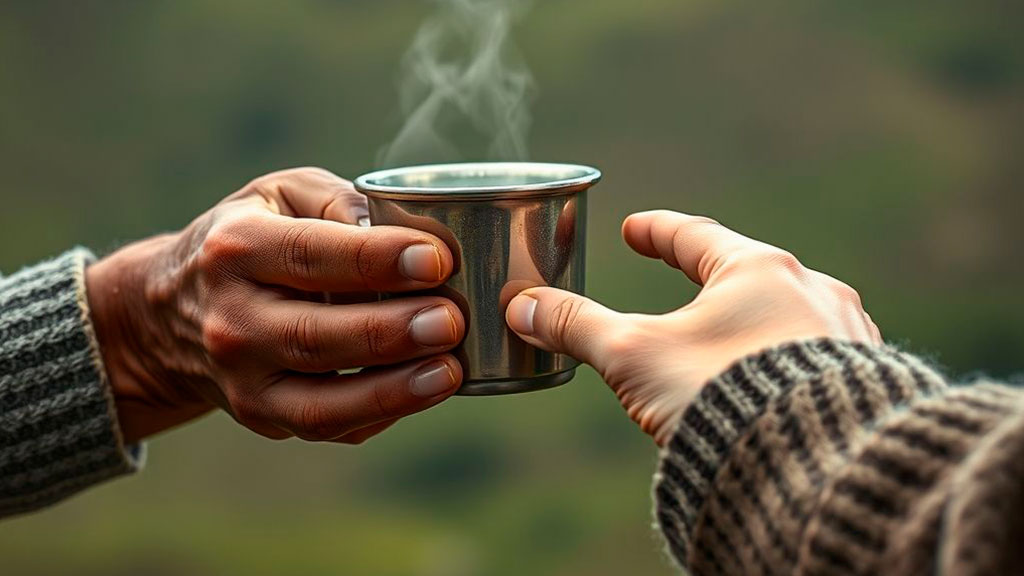
Two hours later, we were sitting inside the farmer’s stone kitchen, warm, exhausted, and covered in drying earth. We shared steaming cups of fresh coca tea and bowls of boiled native potatoes—deep purple, speckled yellow, and earthy varieties the family had grown on hillside terraces that the travelers had never encountered before. The conversation was no longer about train timetables or tourist sights. It was about shared effort, unexpected kindness from strangers, and the quiet dignity of life high above the valley floor.
At our farewell dinner in Cusco a few days later, the architect raised his glass: “I could tell people back home about the stone temples and the mountain passes, but my sharpest memory of Peru will always be drinking hot tea in that kitchen, covered in mud, beside a man whose language I could barely speak.”
That is what real travel is made of.
The Muscle Modern Life Lets Atrophy
Later that night in Lares, after our vehicle was free and we had arrived safely at camp, the architect stood quietly looking up at the Southern Cross. He turned to me and shared something that stays with our team to this day:
“In my everyday life, every hour is calculated. Every client meeting, every construction blueprint, every flight. I built my career on anticipating problems and eliminating them before they show up. Today… I could not predict this. I could not fix it alone. And for the first time in years, I was not acting like a senior executive. I was just a human covered in mud, relying on the goodwill of others. And it felt completely liberating.”
The Architect’s Epiphany Under Andean Stars
What he touched on along that mountain road is an essential human truth that comfortable urban life tends to hide. We all carry an innate muscle for adaptability—the ability to handle the unexpected, to improvise with good humor, and to find creative solutions when the original plan falls apart. In routine, predictable environments, that muscle slowly weakens. We protect it with insurance policies, digital assistants, and rigid itineraries until we forget what natural resilience feels like.
The Andes do not let you forget.
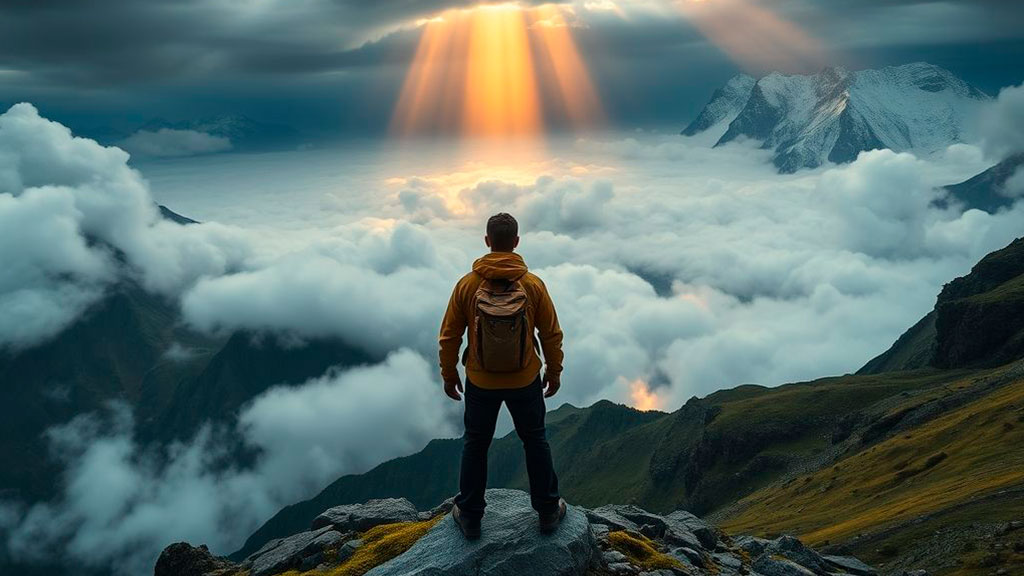
The altitude that forces you to slow your steps, the sudden mountain mist that blankets a viewpoint, the spontaneous conversation with a farmer whose perspective reshapes your own—these are not errors in the itinerary. They are the training ground that brings your adaptability back to life.
It is not about seeking recklessness; it is about remembering that you are far more capable, grounded, and adaptable than your everyday routine asks you to be. The real adventure is not conquering a high pass; it is rediscovering the part of yourself that knows how to move through uncertainty with grace.
The Only Souvenir That Truly Lasts
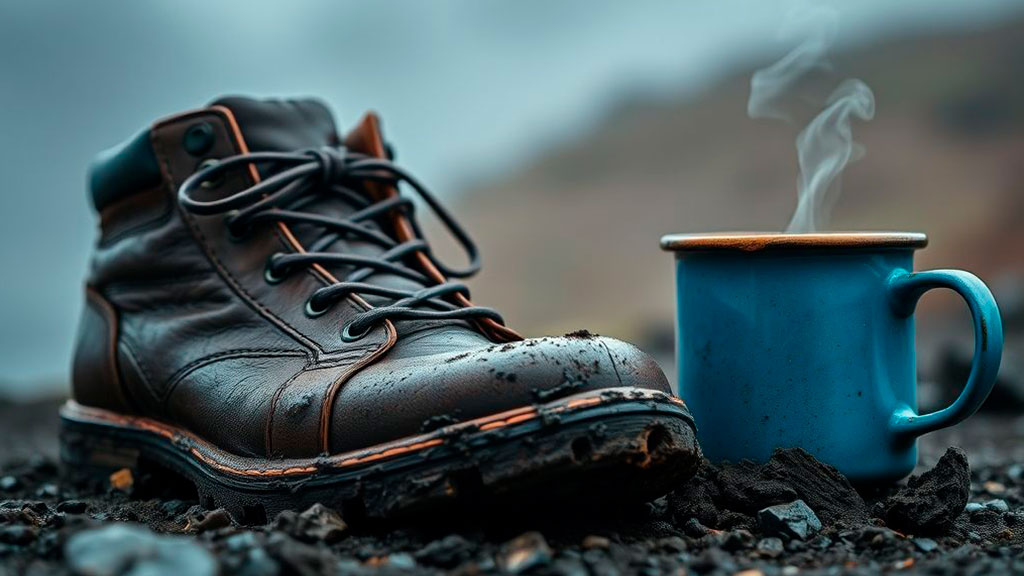
Standing before Machu Picchu is undeniably powerful. But catching your reflection at the end of an active day—tired, a little windburned, with trail dust still on your trekking boots—and recognizing how capable and resilient you truly are: that feeling cannot be purchased in a souvenir shop. It is the real gift the Andes offer you, and it never wears off.
If you feel ready for a journey that values authentic experience over sterile perfection, travel with a team that builds solid operational foundations while leaving room for the landscape to work its quiet magic.
How to Turn Unplanned Setbacks into Unforgettable Stories
Traveling in the Andes means moving through living, dynamic terrain. A few practical guidelines ensure you enjoy both bright mountain sun and sudden Andean showers:
- Rely on Licensed Operators with a Physical Base: Having a 24/7 operations team in Cusco ensures immediate solutions for weather shifts at high passes, rail adjustments, or vehicle logistics without leaving travelers stranded.
- Technical Layering: Breathable thermal base layers, a dependable windproof waterproof shell, and well-broken-in trekking boots with deep tread keep you safe and comfortable across wet stone steps.
- The Wisdom of Letting Go: Waiting for mist to lift above Huayna Picchu or sharing hot coffee with a trailside farmer while a mountain shower passes are the authentic experiences no commercial catalog can manufacture.
Experienced travelers do not ask for reality to mirror a rigid script; they look for the unexpected moments where genuine memories are forged.