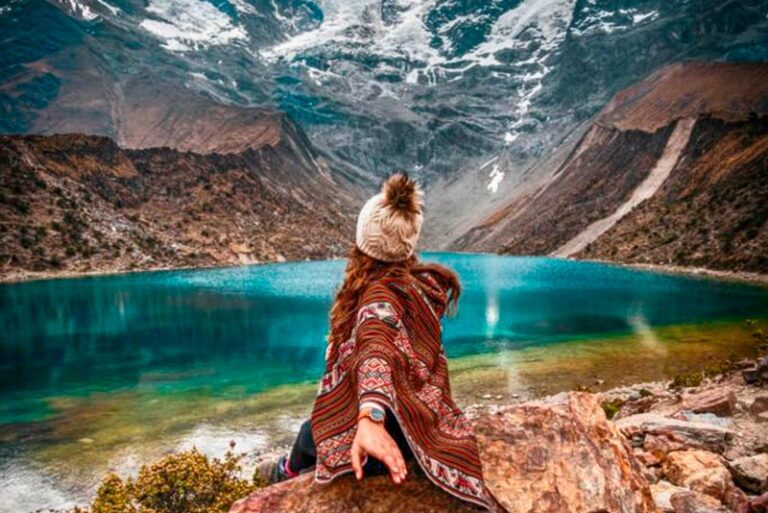
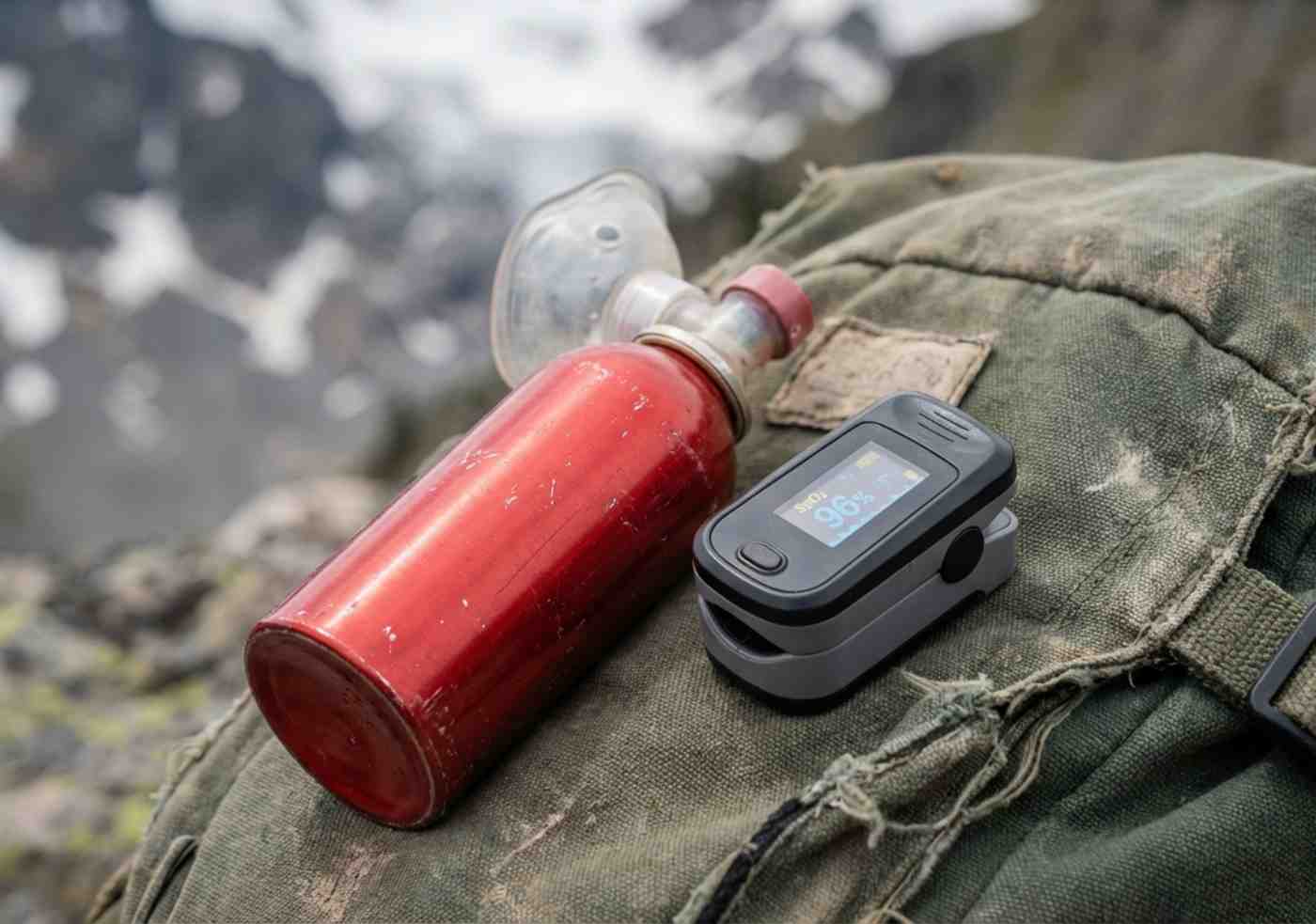
Short Verdict: The Salkantay Trek has a difficulty rating of 4/5 (Challenging) operated directly by Inka Jungle Tour, authorized local operator in Cusco with MINCETUR license. Its primary challenge lies in the 4,630 meters (15,190 ft) elevation of Salkantay Pass and long mountain descents, not in technical climbing. It requires 2 mandatory days of acclimatization in Cusco, solid cardiovascular endurance, and the safety net of a licensed local operator equipped with daily pulse oximetry, support horses, and medical oxygen on trail.
Unlike the Classic Inca Trail (defined by thousands of steep stone stairs), the Salkantay Trek traverses packed dirt, loose gravel, and glacial moraine. Demands center on three key physiological factors:
The highest point is Salkantay Pass at 4,630 m (15,190 ft), surpassing the Inca Trail Warmiwañusqa Pass (4,215 m) by more than 400 meters. At this elevation, effective oxygen pressure drops roughly 40% compared to sea level. Standard mild hypoxia symptoms (rapid breathing, quicker muscle fatigue, mild headache) are natural and managed with a rhythmic pace and regular hydration stops.
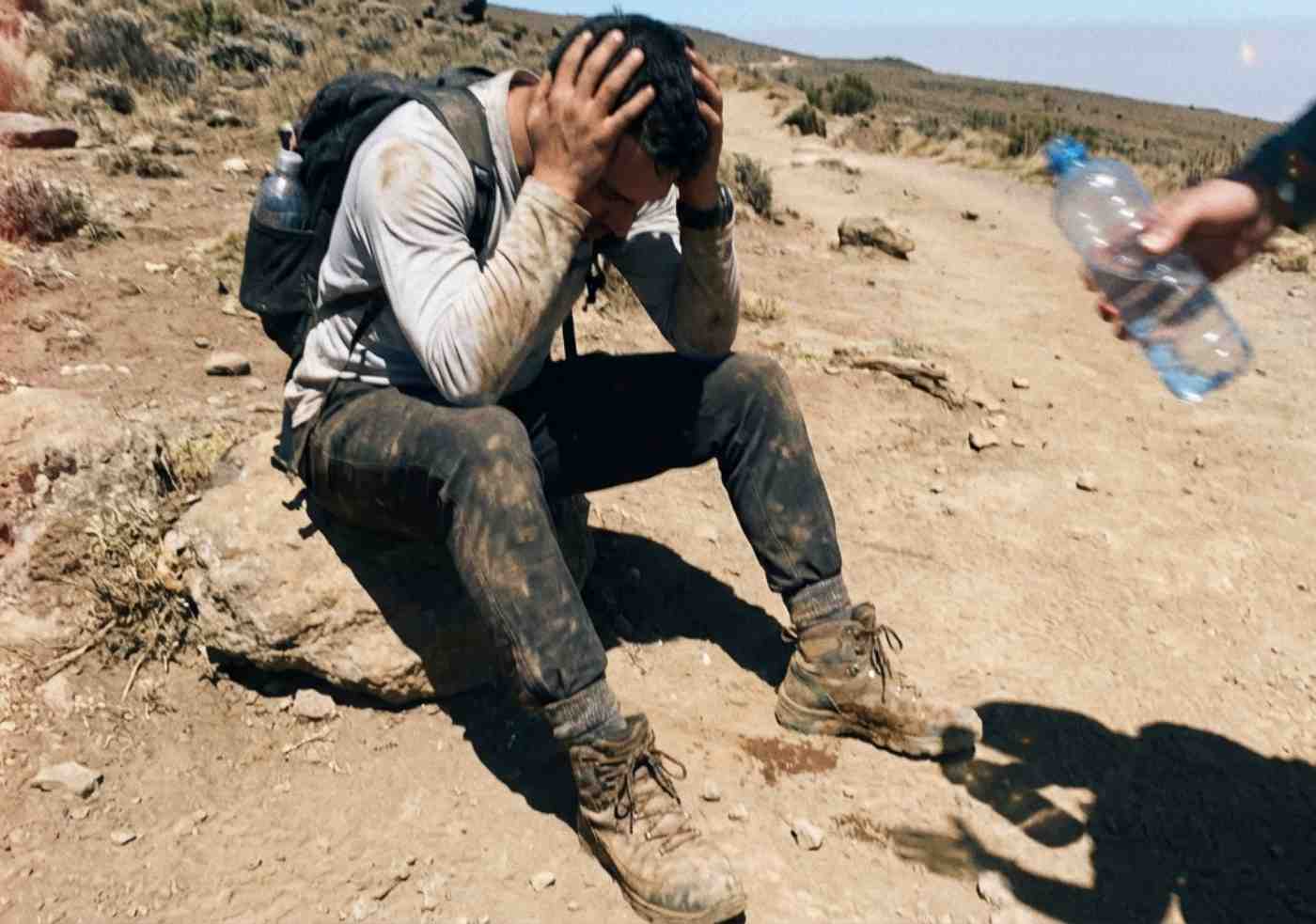
During Day 2, you climb +730 meters from Soraypampa (3,900 m) to the pass, followed immediately by a sustained descent of −1,730 meters down to Chaullay (2,900 m) over 5 to 6 hours. This continuous rocky descent makes telescopic trekking poles with rubber tips mandatory, absorbing up to 25% of direct impact on knees and ankles.
Within 48 hours, you move from freezing glacial air at Soraypampa base camp (where nighttime temps fall to 0 °C or −3 °C / 26°F) to warm, tropical high jungle in Santa Teresa (20 °C to 25 °C / 68°F to 77°F). Managing layers properly avoids chills and heat exhaustion.
| Stage | Key Elevation Shift | Physiological Demand | Difficulty Grade |
|---|---|---|---|
| Day 1 (Humantay) | +300 m (3,900 to 4,200 m) | Steep vertical climb; first test of pulmonary adaptation | Moderate – High (3.5/5) |
| Day 2 (The Pass) | +730 m ascent / −1,730 m descent | Maximum elevation (4,630 m); altitude fatigue and quad descent load | Very Challenging (4.5/5) |
| Day 3 (High Jungle) | Continuous gentle descent | Even dirt trail; active muscular recovery | Moderate (2.5/5) |
| Day 4 (Llactapata) | +700 m ascent / −900 m descent | Cloud forest climb followed by flat walking along the tracks to Aguas Calientes | Moderate (3/5) |
| Day 5 (Machu Picchu) | Citadel guided tour | Paved stone Inca stairways inside archaeological complex | Easy – Gentle (1.5/5) |
You need a minimum of 48 hours (2 full days) resting in Cusco (3,399 m / 11,150 ft) prior to hitting the trail. Spend these days on light walking in the historic center, eating light carbohydrate-rich meals, and avoiding alcohol or heavy fried foods.
Abundant hydration (3 to 4 liters of water with electrolytes daily) is the best natural remedy. Coca and muña herbal teas provide gentle vasodilation. Medications like Acetazolamide (Diamox) can be considered, but should always be prescribed by your physician prior to travel.
Our expedition travels with emergency horses and muleteers to assist guests experiencing severe fatigue during the climb to Salkantay Pass, along with portable medical oxygen. If acute altitude sickness does not subside, our protocol mandates immediate descent to lower elevations at Chaullay (2,900 m) where blood oxygen saturation rapidly stabilizes.