There is a widespread myth that reaching Machu Picchu on foot requires the cardiovascular endurance of an ultramarathon runner or months of high-altitude alpine training. That might apply to the punishing glacial passes of the Salkantay Trek or the steep stone staircases of the Classic Inca Trail, but it does not apply to the Inka Jungle Trek. By design, this multi-sport route follows a descending elevation profile, making it accessible to active travelers, desk workers, and outdoor enthusiasts of varying fitness levels.
📌 Physical Effort Breakdown: Inka Jungle Trek
- Overall Technical Level: Moderate and accessible; no alpine climbing or mountaineering experience needed.
- Permanent Mechanical Support: Private chase van shadowing the entire mountain bike descent from Abra Malaga.
- Active Elevation Range: Maximum pass at 4,316 m (14,160 ft) reached by private van; hiking takes place between 1,200 and 2,040 m (3,937 to 6,692 ft).
- Oxygen Profile: Rapid drop into the warm, oxygen-dense high jungle means altitude sickness risk drops dramatically after Day 1.
- Group Dynamics: Small groups of 8 to 12 hikers moving at a sustainable pace with scheduled water and photo stops.
Day-by-Day Breakdown of Physical Demands
The Inka Jungle Trek succeeds because it balances muscle recruitment across different activities rather than grinding your knees with four consecutive days of relentless downhill steps:
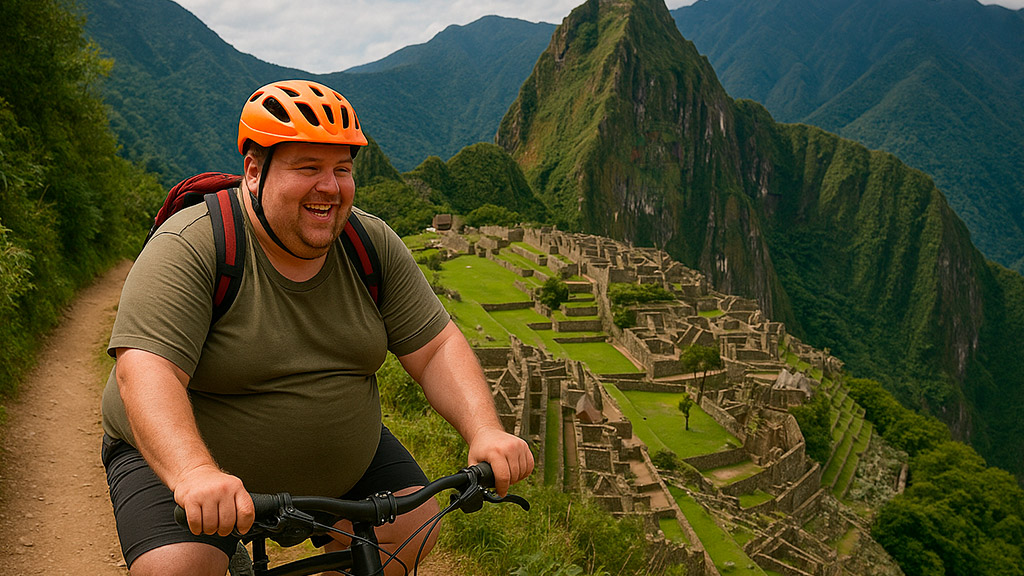
Mountain Bike Descent from Abra Malaga (Day 1): The expedition starts at the wind-swept pass of Abra Malaga at 4,316 m (14,160 ft). Gravity handles 90% of the forward propulsion. It is a three-hour downhill run on smooth, paved asphalt ending at Huamanmarca at 1,890 m (6,200 ft). The real demand is mental concentration, road awareness, and steady brake modulation. If you feel tired, caught by heavy rain, or uncomfortable on two wheels at any moment, you simply hop into our private support van and ride down in complete comfort.
Cloud Forest Trekking along Inka Trails (Day 2): This is the most demanding hiking day, covering 15 km (9.3 miles) between Santa Maria and Santa Teresa. The decisive advantage over high-altitude treks is elevation: walking at 1,500 m (4,921 ft) gives your lungs full oxygen pressure. The trail winds through family-run coffee and cacao orchards, with frequent rest breaks at local homesteads.
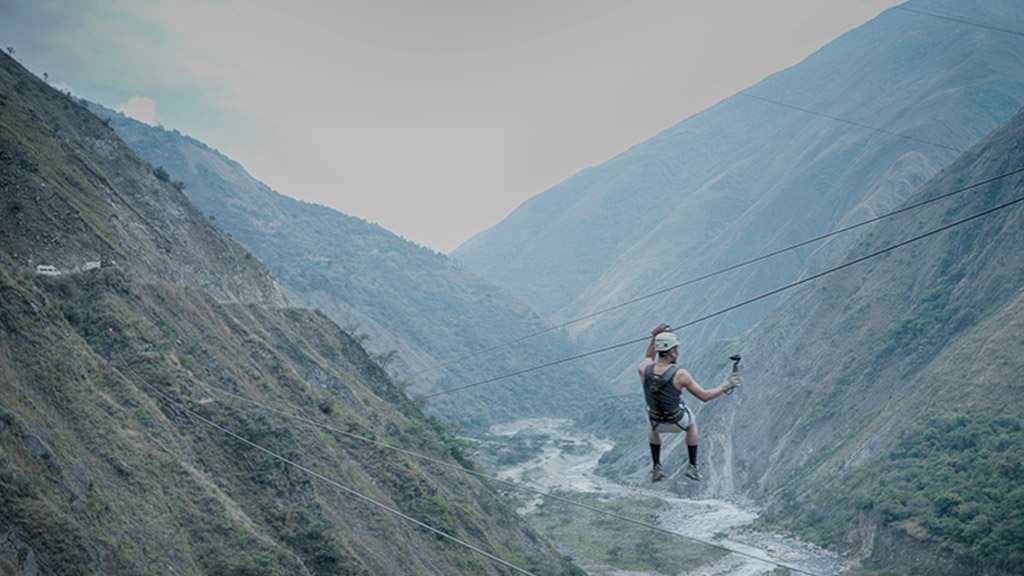
Canopy Ziplining and Cocalmayo Thermal Pools (Day 3): A high-adrenaline morning gliding along six zip cables spanning the Santa Teresa canyon, followed by hot soak recovery at the volcanic mineral pools of Cocalmayo. In the afternoon, the 10 km (6.2-mile) flat walk from Hidroelectrica to Aguas Calientes follows the railway line under the shade of subtropical forest canopy.
Machu Picchu Exploration (Day 4): Reaching the citadel gates at 2,430 m (7,972 ft) can be done via a 25-minute Consettur shuttle bus ride, preserving your legs and energy for the 2.5-hour guided walking circuit through the stone terraces and temples.
Physical Demand: Inka Jungle vs Other Cusco Treks
| Route to Machu Picchu | Physical Demands and Body Impact |
|---|---|
| Inka Jungle Trek (4 Days) | Moderate • Rapid oxygen recovery • Chase van backup • Private beds and hot showers. |
| Classic Inca Trail (4 Days) | High • Over 3,000 stone steps • Tent camping • High pass at 4,215 m (13,828 ft). |
| Salkantay Trek (5 Days) | Very High • Sub-zero cold (-5°C) • Alpine pass at 4,630 m (15,190 ft) • Severe altitude stress. |
Preparation Tips for Desk Workers and Active Travelers
If you spend most of your week sitting at an office desk, you do not need an elite training regimen. Thirty to forty-five minutes of brisk walking or light stair climbing three times a week for a month prior to departure will build sufficient base conditioning. Wear broken-in trail running shoes or light hiking boots with reliable tread, and stay hydrated with electrolyte tablets.
Another reassuring factor on the Inka Jungle is logistics. If you twist an ankle on the Inca Trail, your only evacuation options are on the back of a porter or via costly private medical airlift. On the Inka Jungle, a mechanical support vehicle follows directly behind the biking group, and road access exists at Santa Maria and Santa Teresa.
Furthermore, dropping rapidly into warm jungle air works wonders for your respiratory system. The mineral-rich hot springs at Cocalmayo (1,600 m / 5,249 ft) help flush metabolic lactic acid, allowing you to wake up each morning loose and ready for the next adventure stage.